


Position
Full Sun.
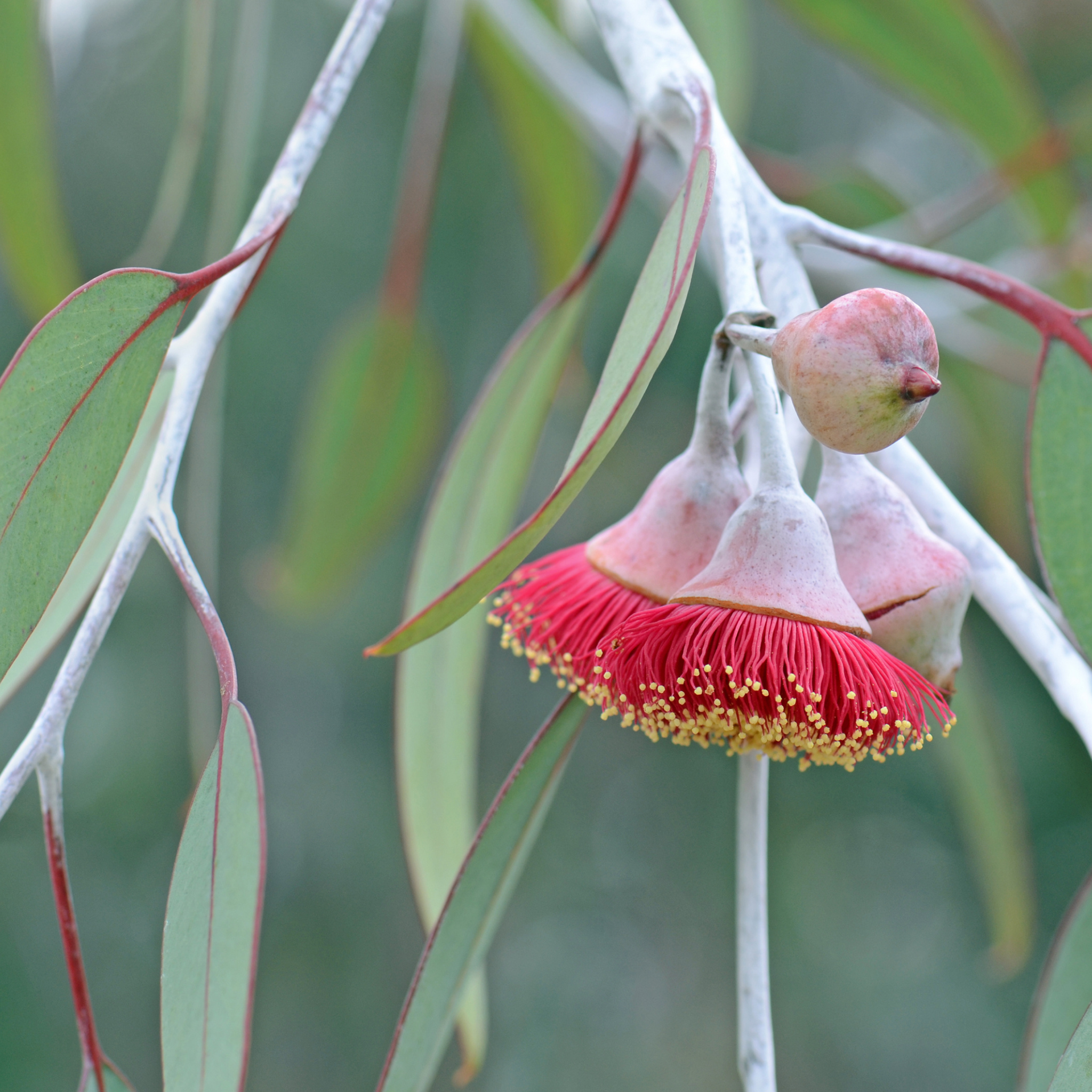
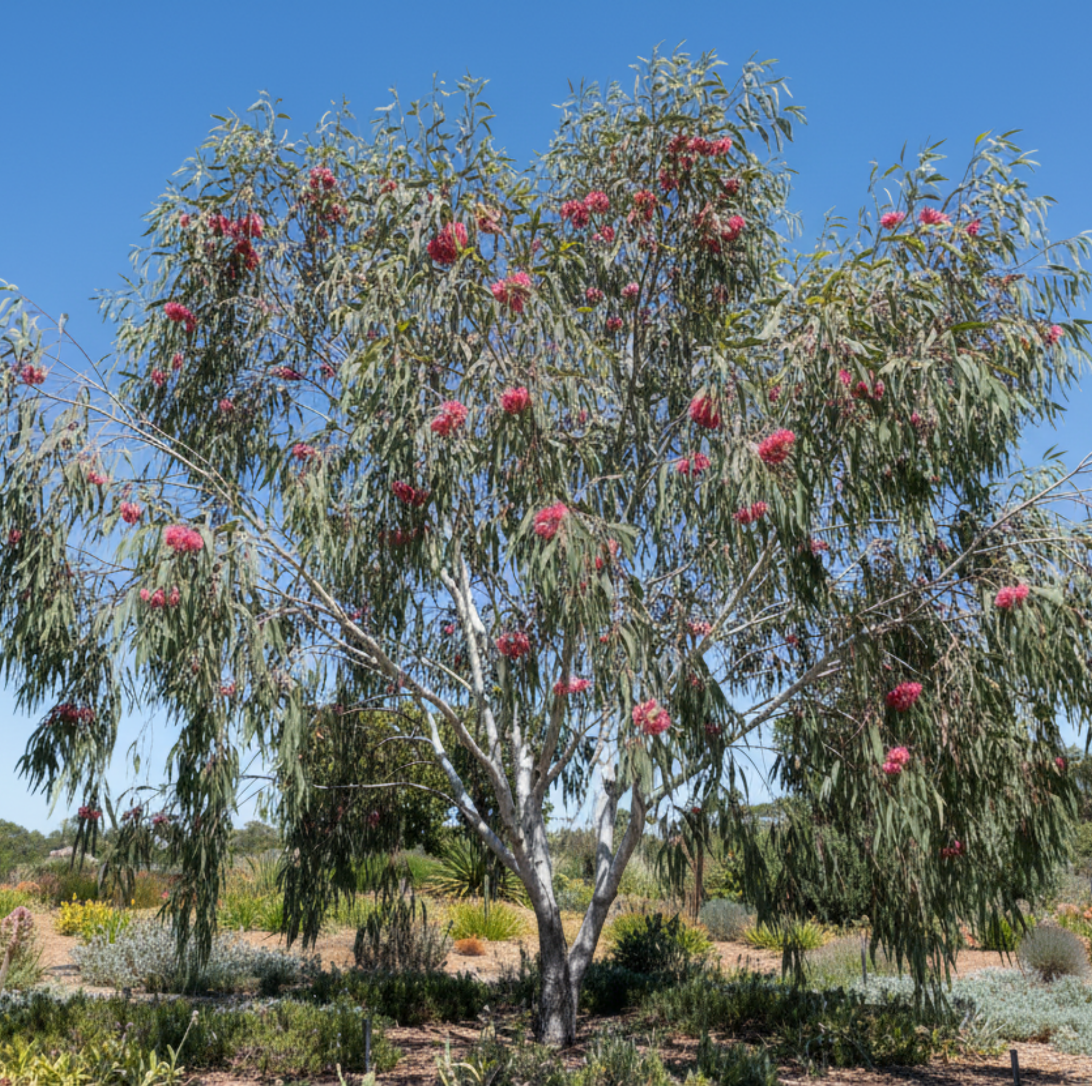
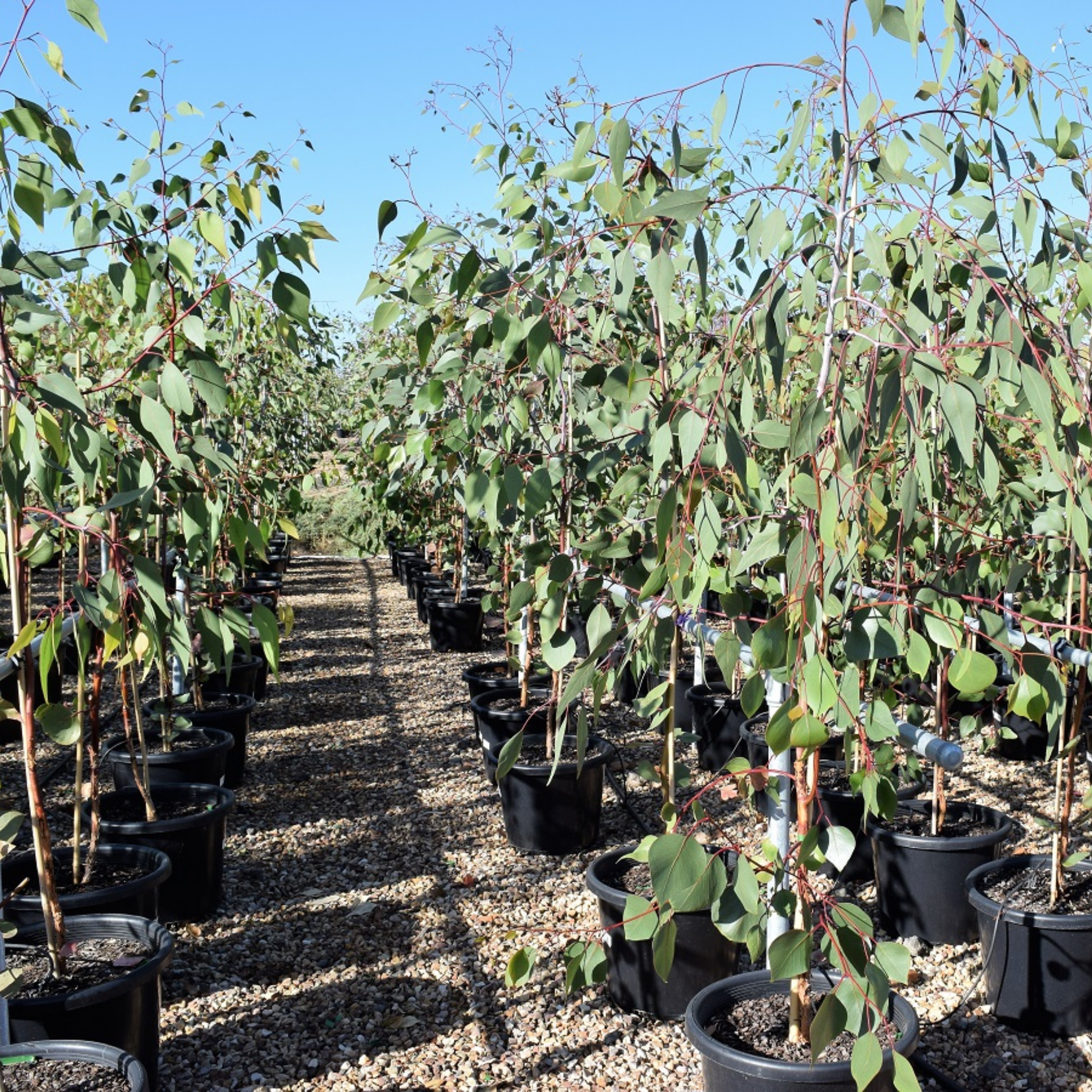

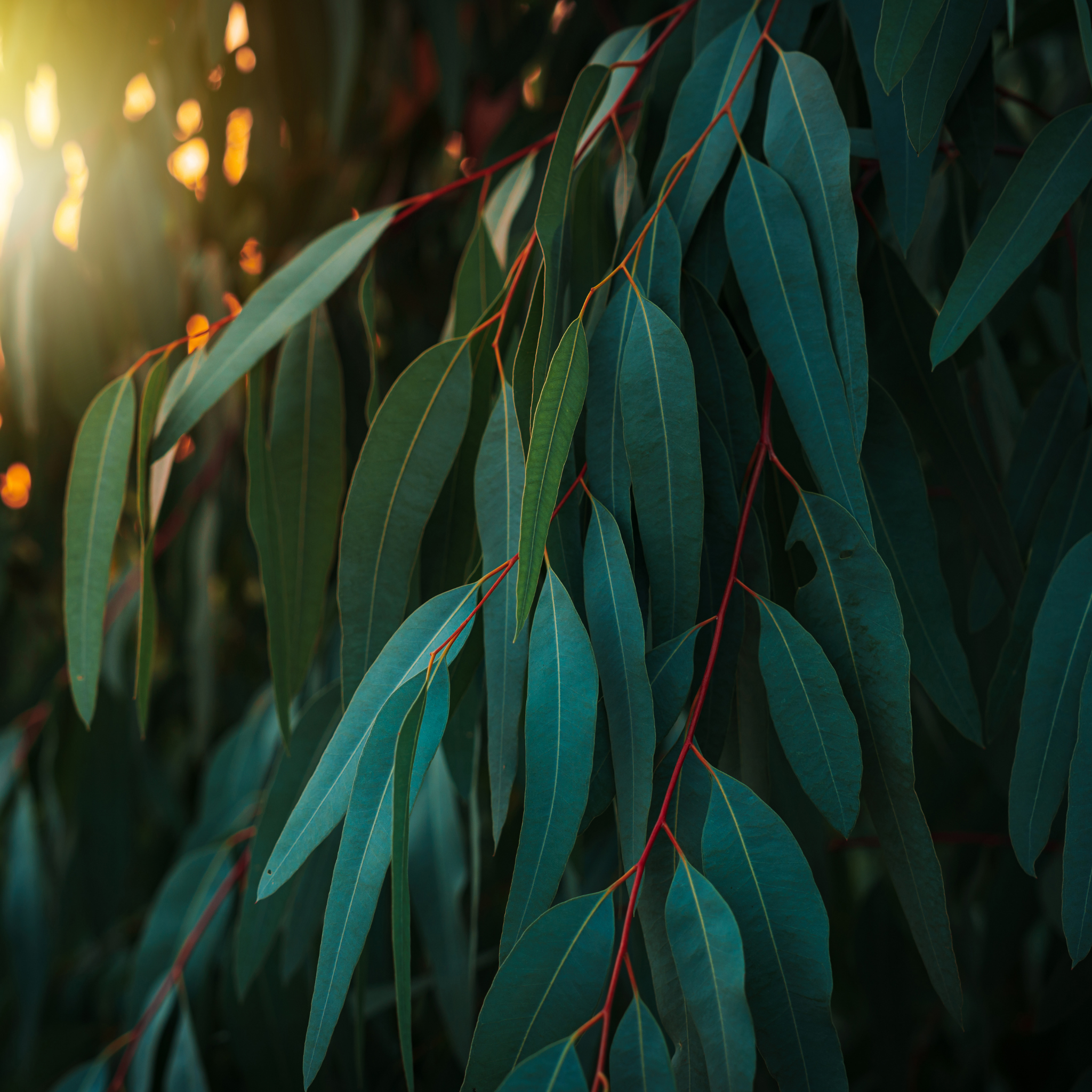
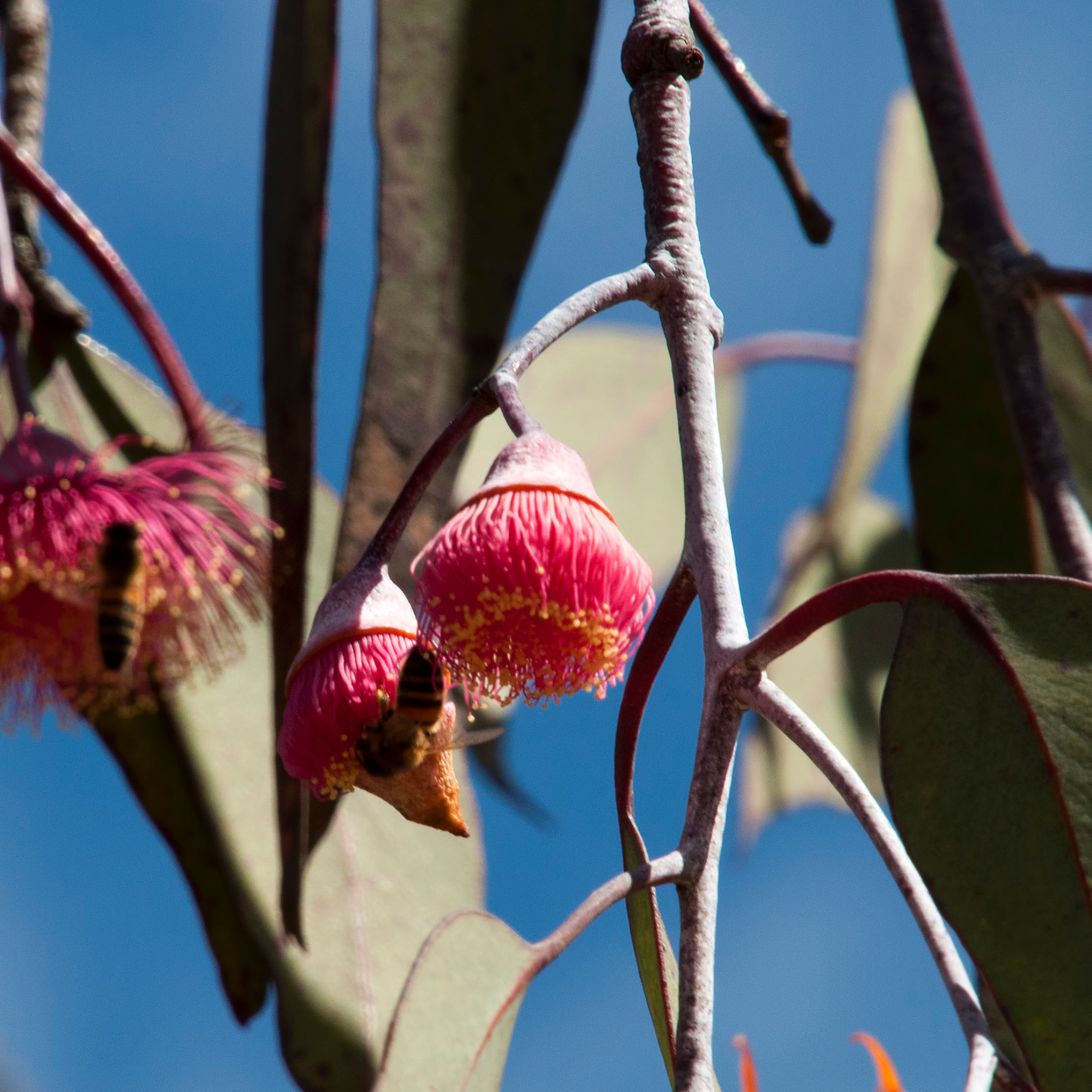
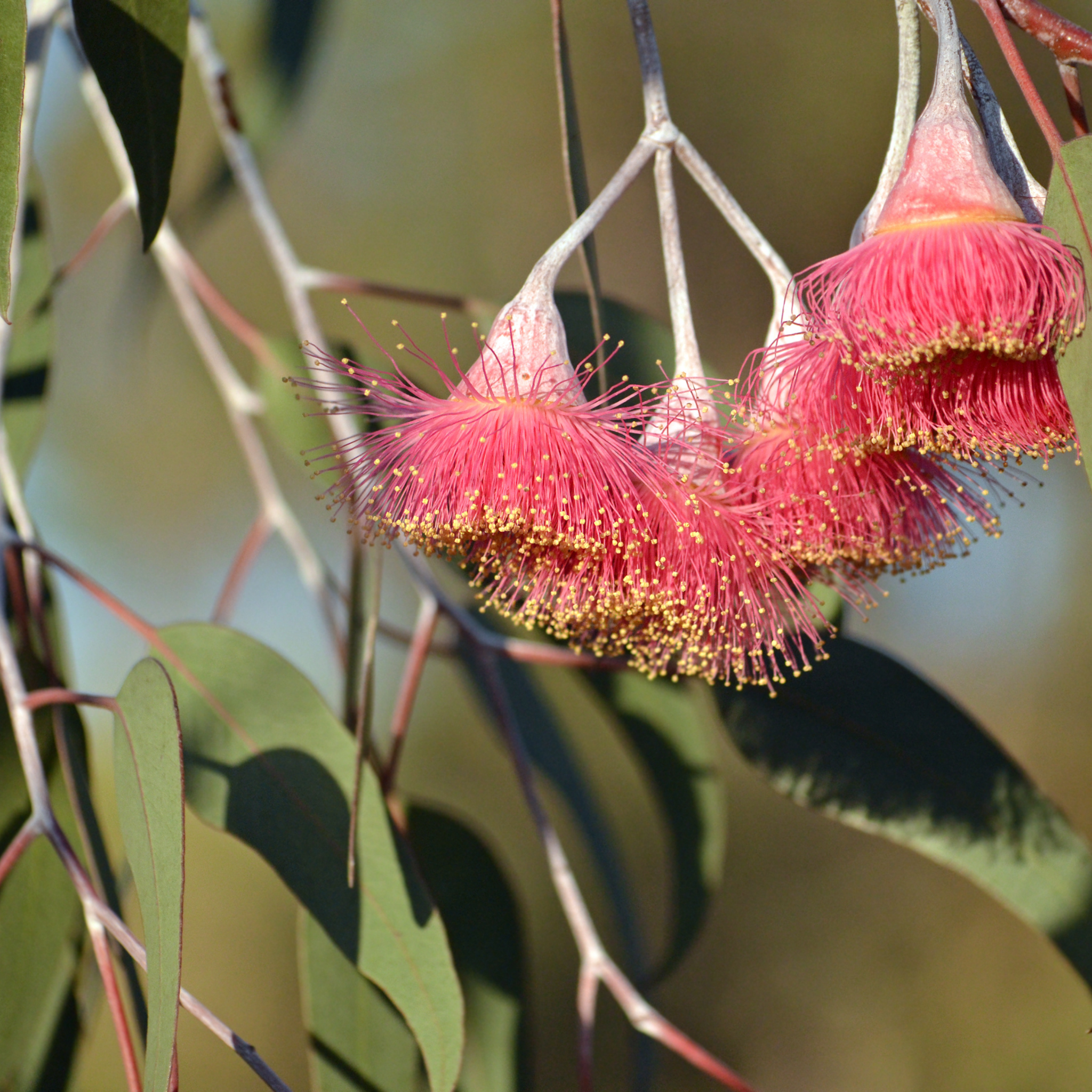


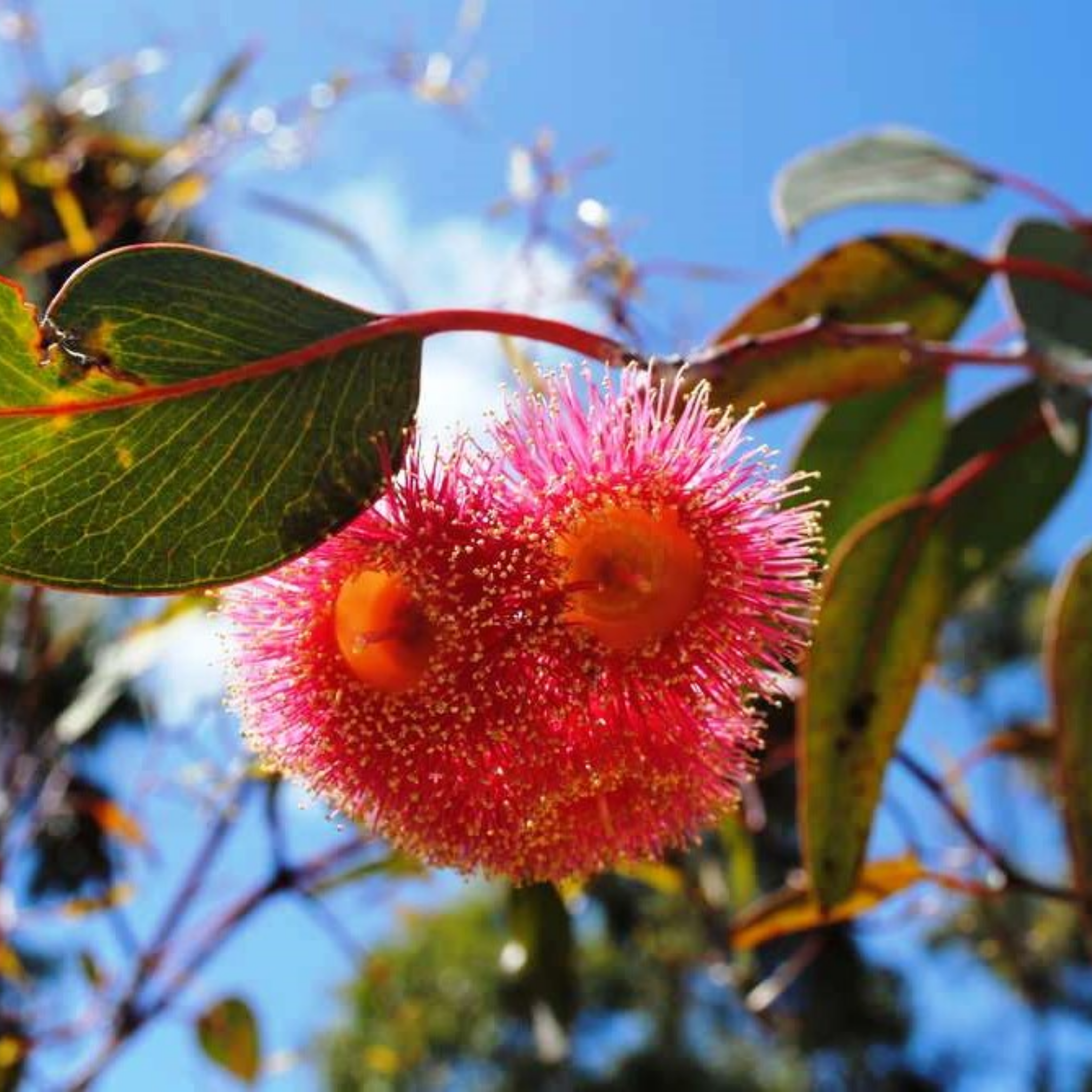
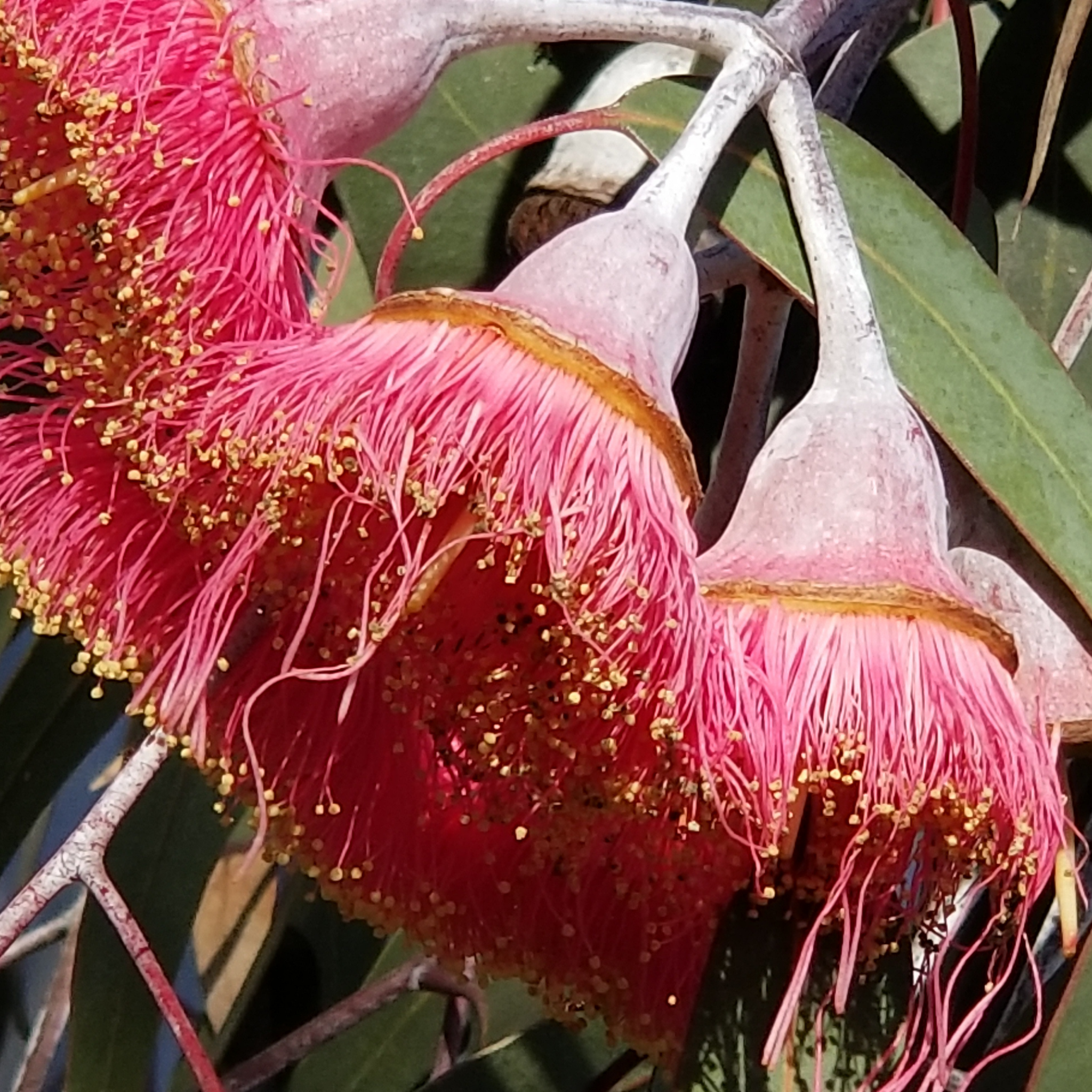
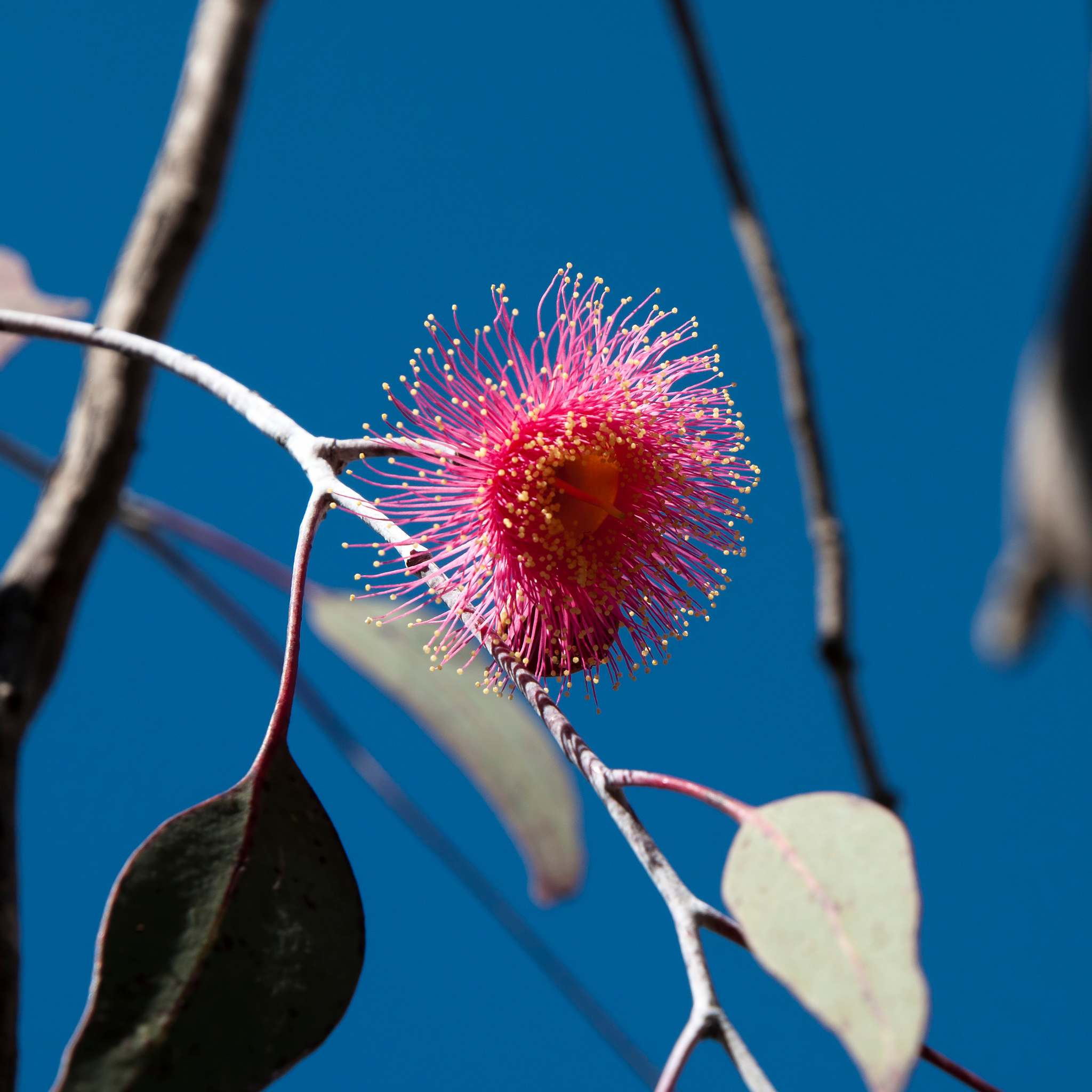


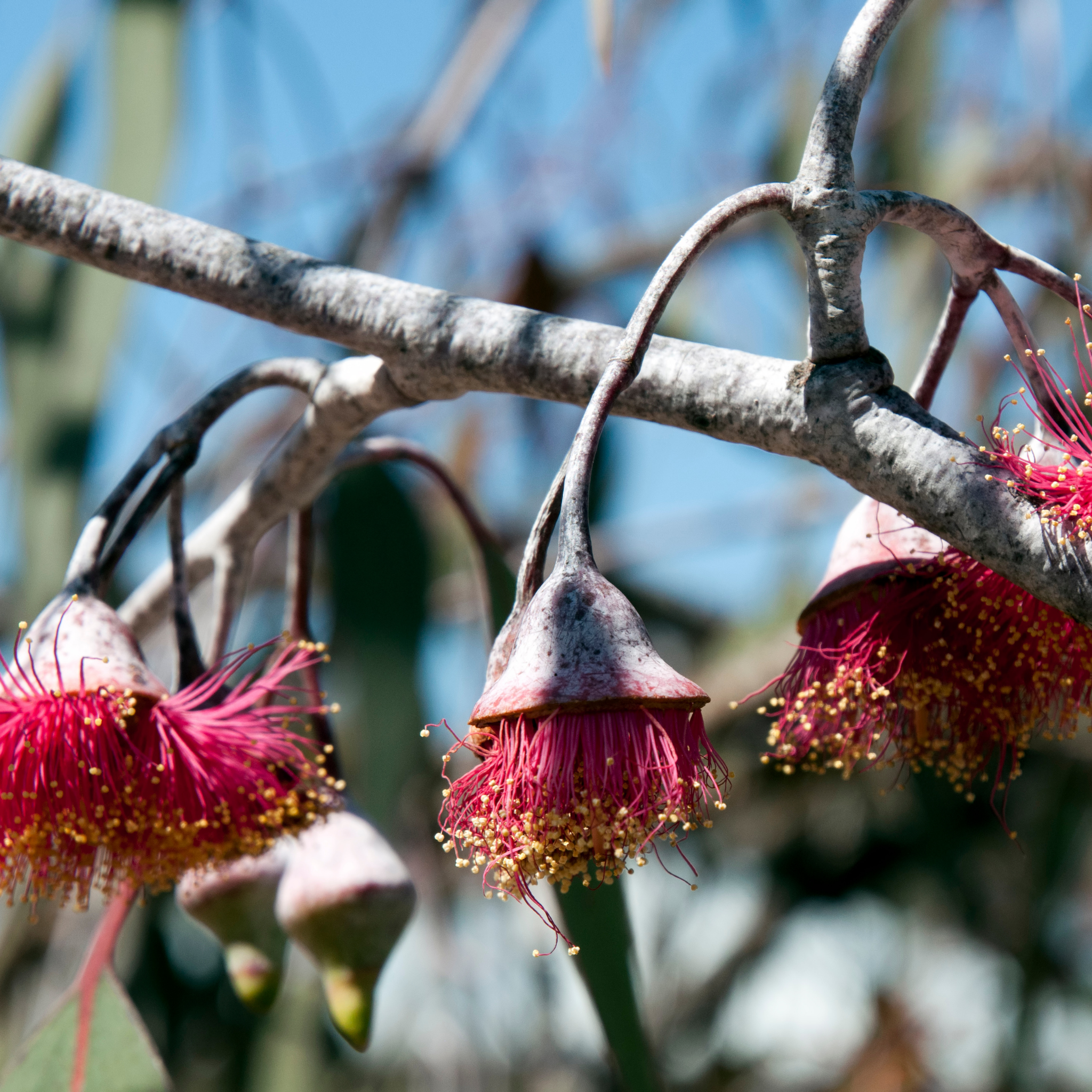
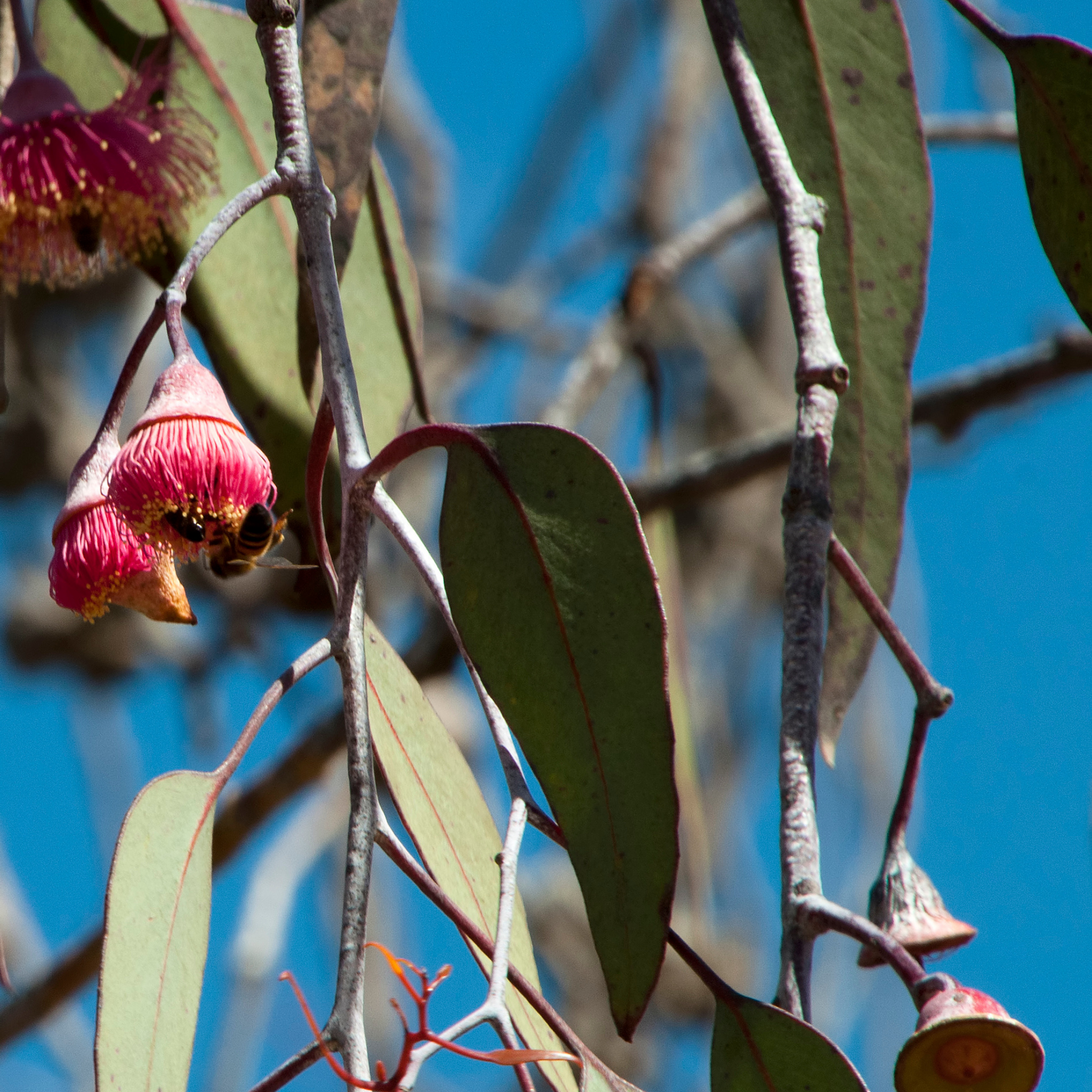
A weeping Australian native with silvery stems and spectacular winter blooms.

Position
Full Sun.

Size
Approx. Height: 6-8m (can reach 4-10m) | Width: 2-4m

Water
Low, highly drought tolerant once established with minimal supplemental watering needed.

Uses
Bird Attracting, Borders / Shrubbery, Coastal Garden, Feature, Foliage Feature / Colour, Low Water Garden, Mass Planting, Park And Gardens, Playgrounds, Rockery, Container / Pot, Native Garden
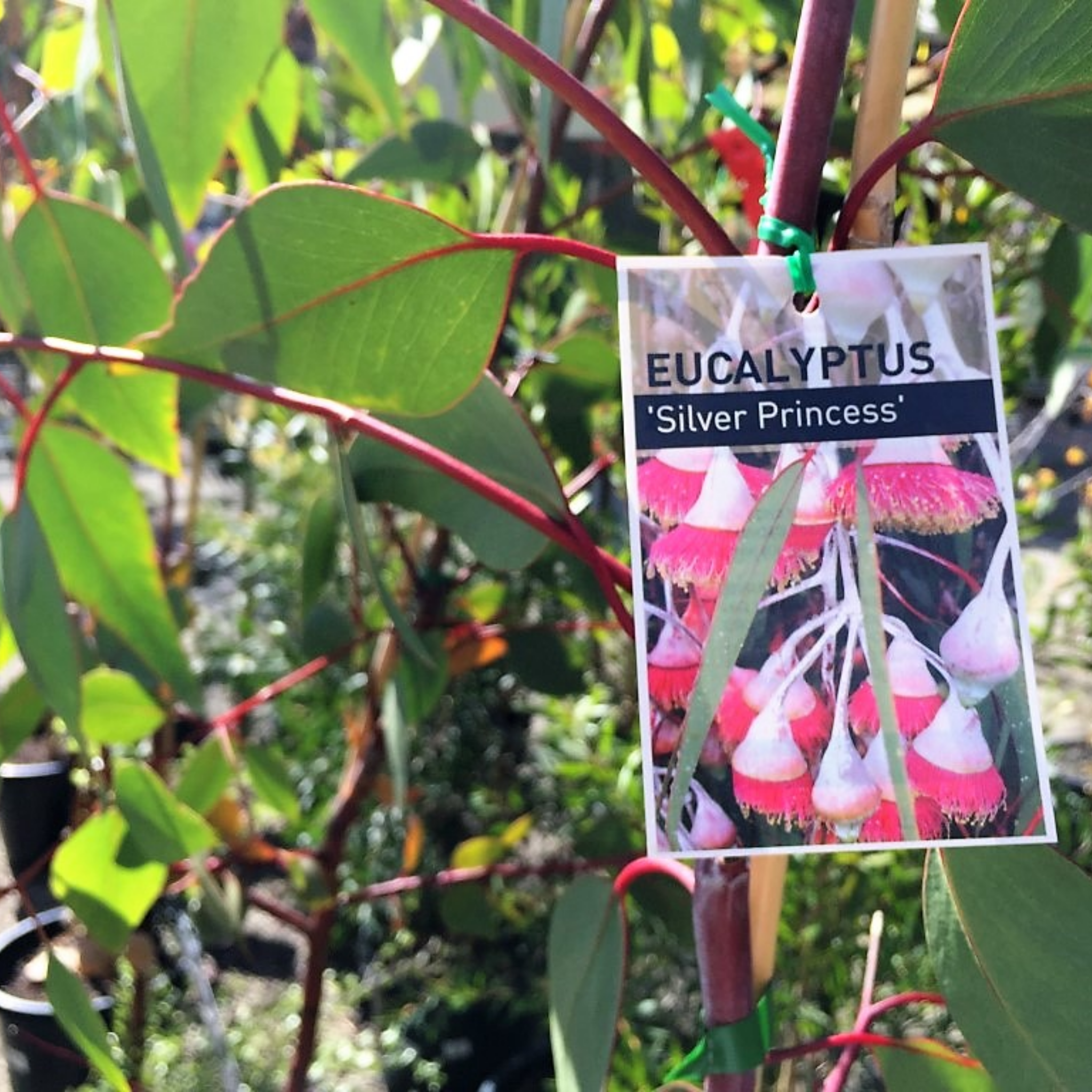
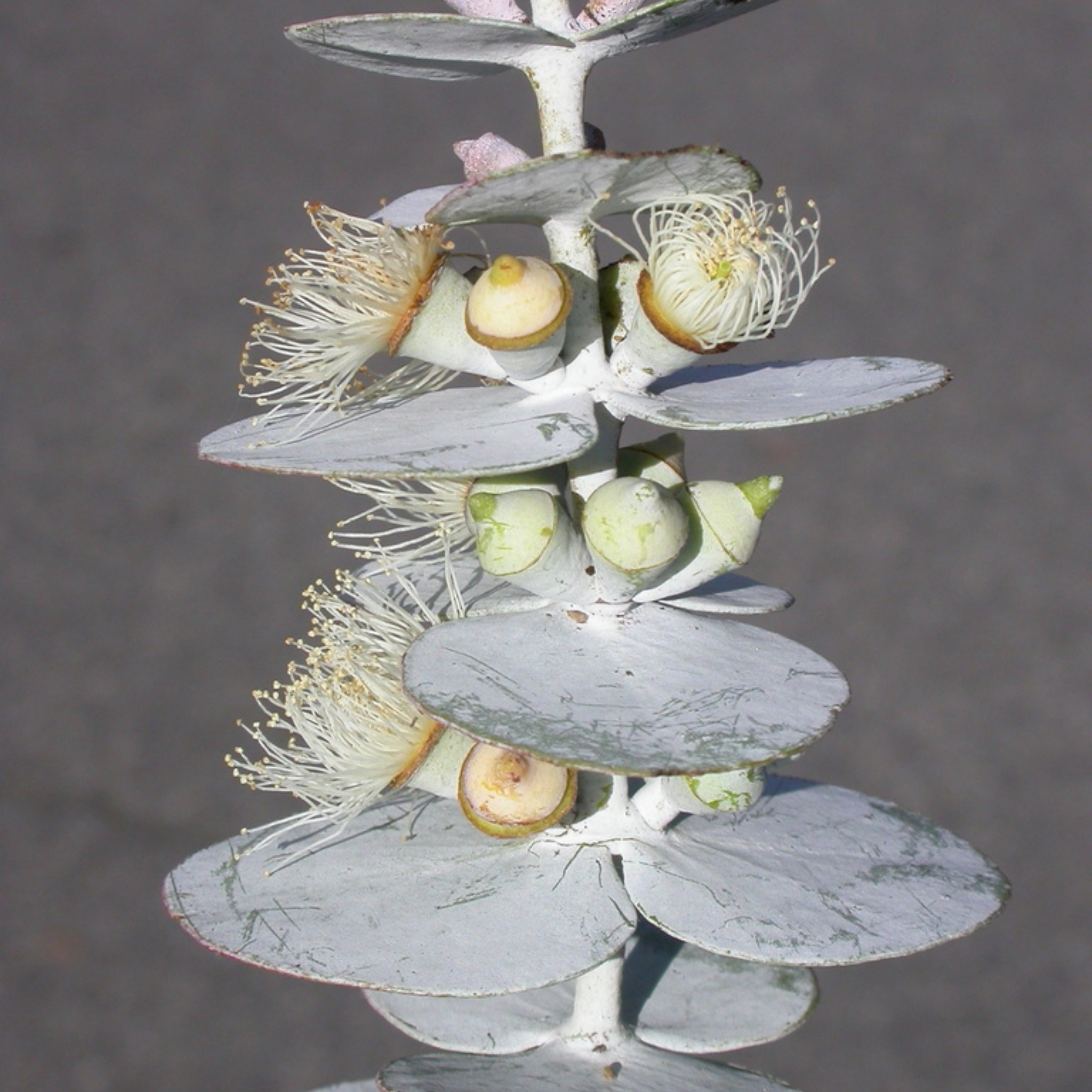
Eucalyptus caesia 'Silver Princess', commonly known as Silver Princess Gum , is one of Australia's most stunning and distinctive small native trees. With its graceful pendulous habit, silvery powdery branches, and spectacular winter and spring flowers, this is a tree that earns its place as a showstopping feature in any garden.
Young branches emerge with a glossy red and dark brown bark that gradually becomes dusted in a beautiful white powder, giving the entire tree a striking silvery appearance that catches the light and turns heads year-round. Come winter and spring, the weeping canopy is adorned with large, showy flowers in rich red or pink, followed by oversized decorative gumnuts that persist on the tree long after flowering. It is a magnet for honeyeaters and native birds, bringing life and movement to the garden throughout the cooler months.
Growing to approximately 6-8m in height with a graceful weeping form, 'Silver Princess' is perfectly suited to small gardens as a feature tree, or planted in groups for a dramatic native landscape effect.
Key Features:
At Plant Nest, we make it easy to buy plants online with delivery direct to your door. Every plant is hand-selected for quality, carefully packed, and backed by expert advice so you can grow with confidence.

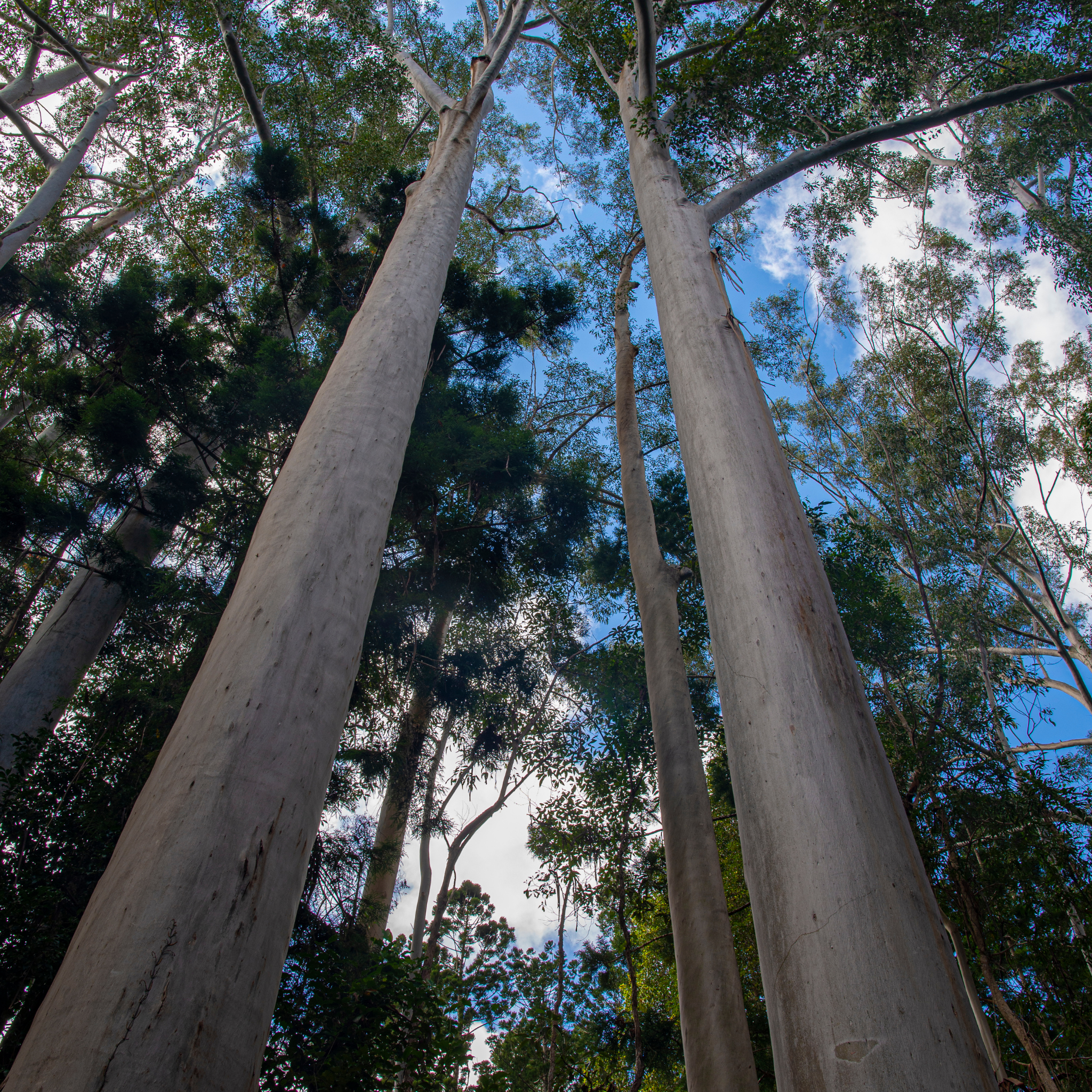
One of Australia's most elegant native trees, celebrated for its tall, upright habit, striking smooth white trunk, and refreshing lemon fragrance. A landmark specimen for avenues, parks, and large gardens across Australia.

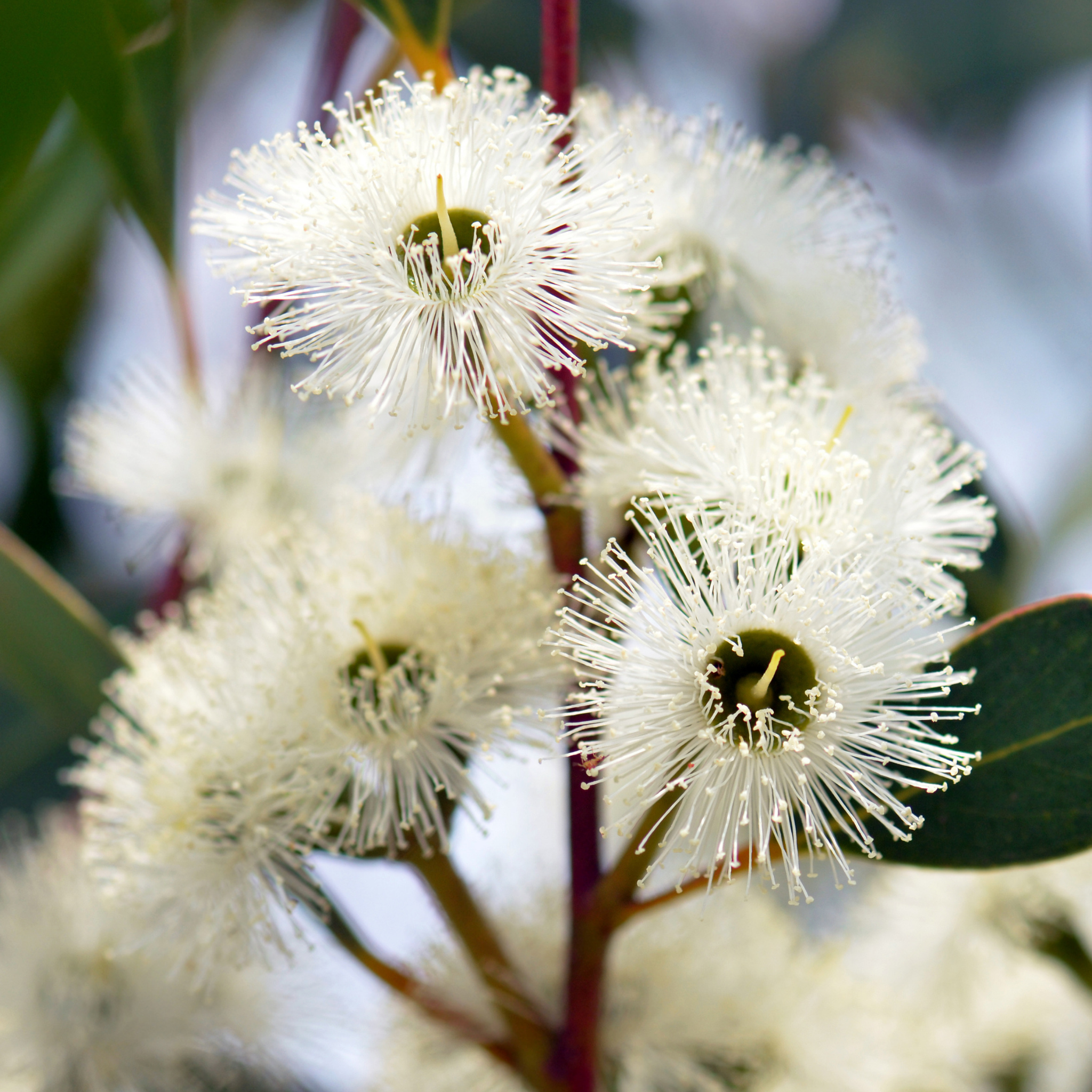
A grafted compact form of the iconic Lemon Scented Gum, same clean white trunk and fragrant foliage, in a denser, more manageable size perfect for space restricted sites, avenues, and feature planting.
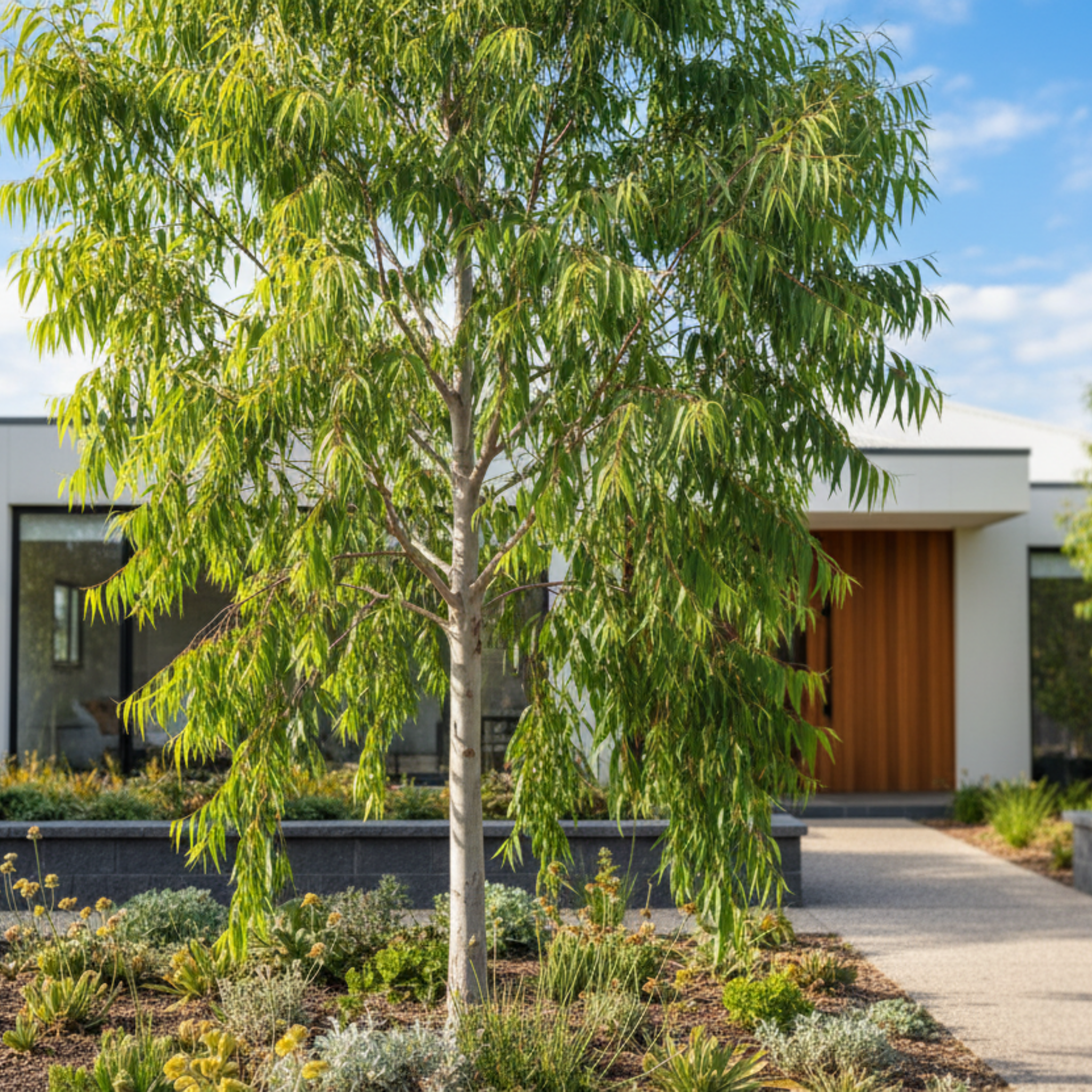

A medium native evergreen tree with a striking upright habit, smooth light grey bark, and lemon-scented weeping foliage. Stunning creamy white flowers throughout Spring and Summer make it an outstanding feature or street tree for Australian gardens.


Eucalyptus leucoxylon, commonly known as Yellow Gum, is a durable Australian native tree valued for its smooth, shedding bark, upright habit and abundant flower clusters that range from cream to soft pink. It is widely used in streetscapes, habitat plantings and large gardens thanks to its adaptability, resilience and consistent seasonal flowering.
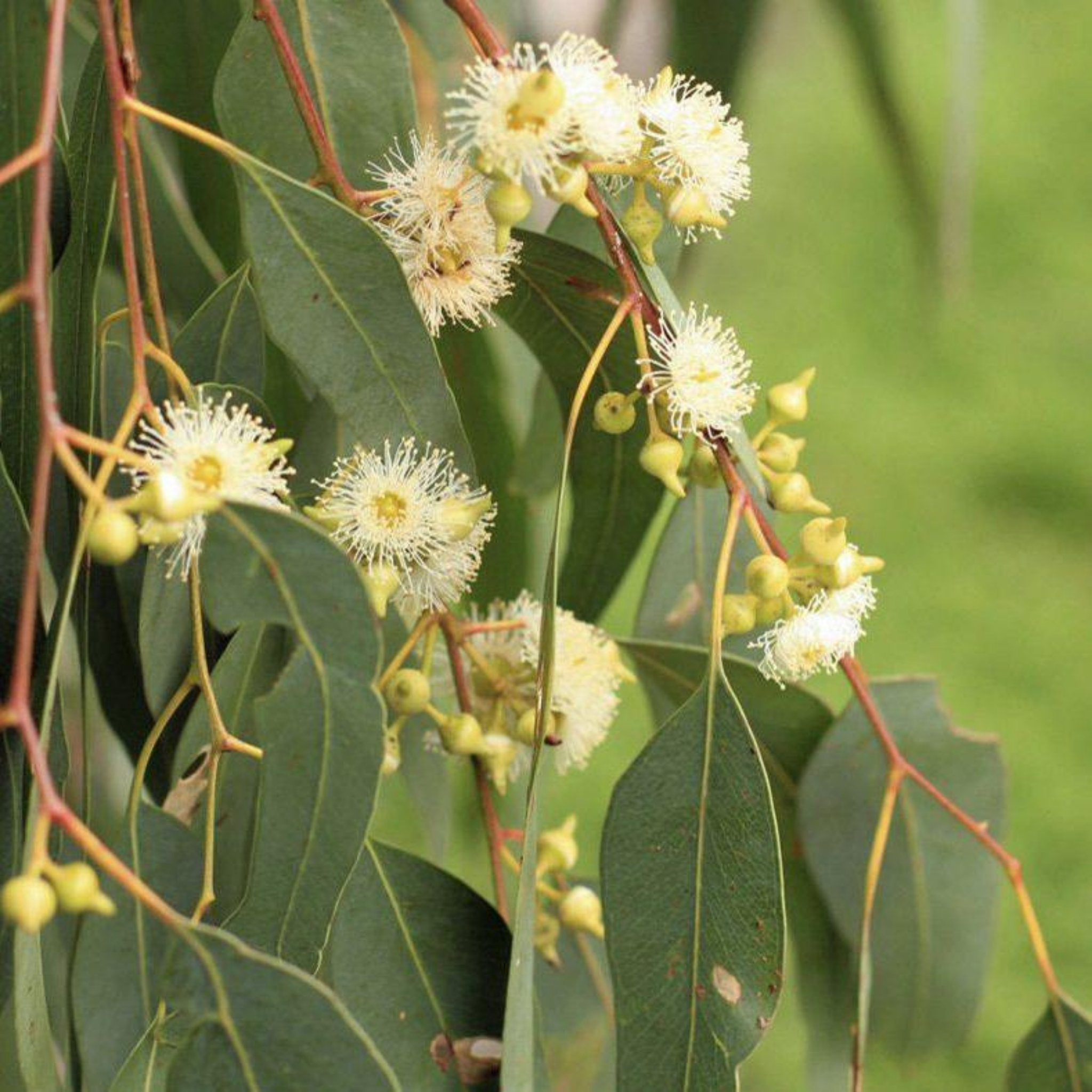
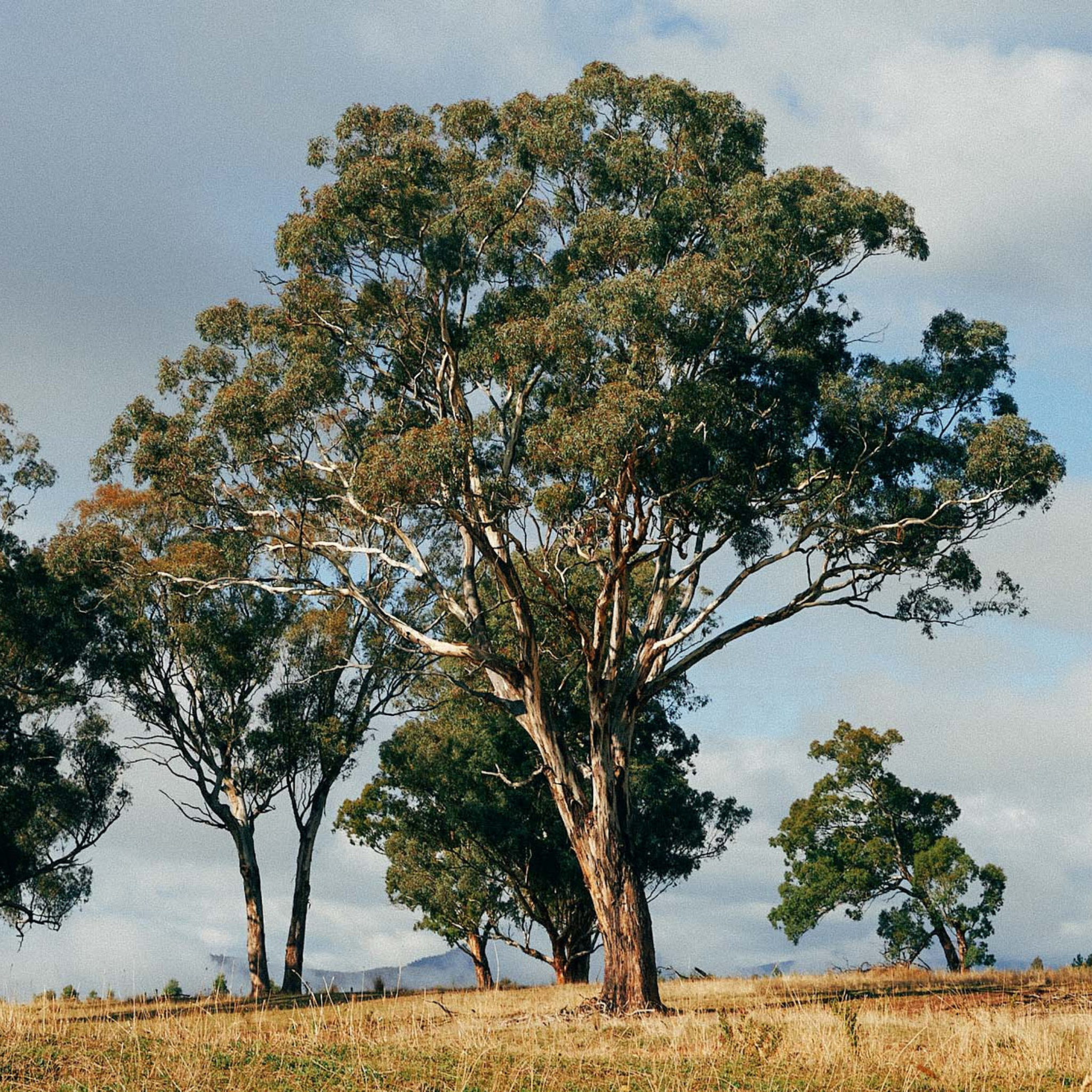
An iconic Australian native tree highly valued for its creamy white flowers, wildlife attraction and exceptional honey production.
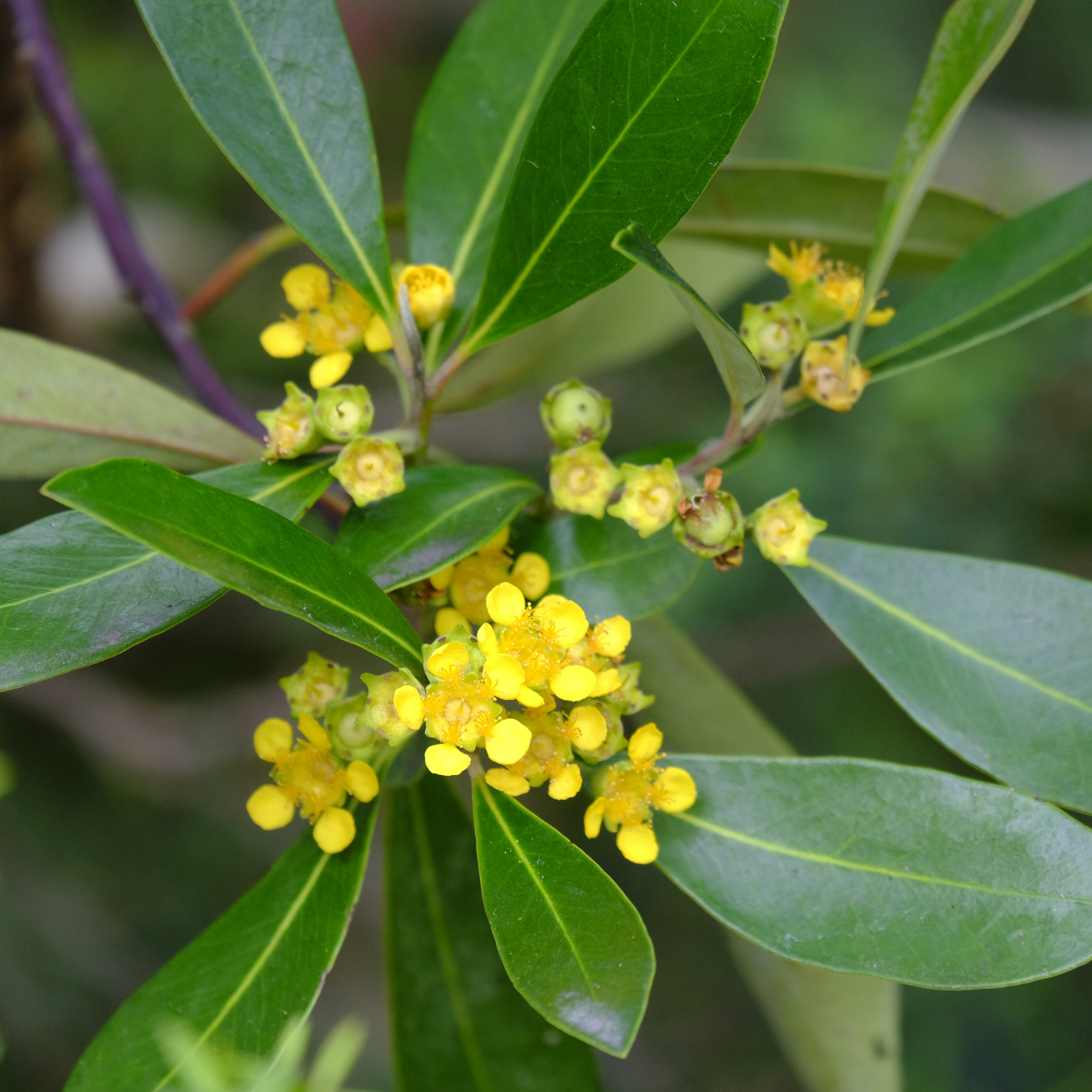
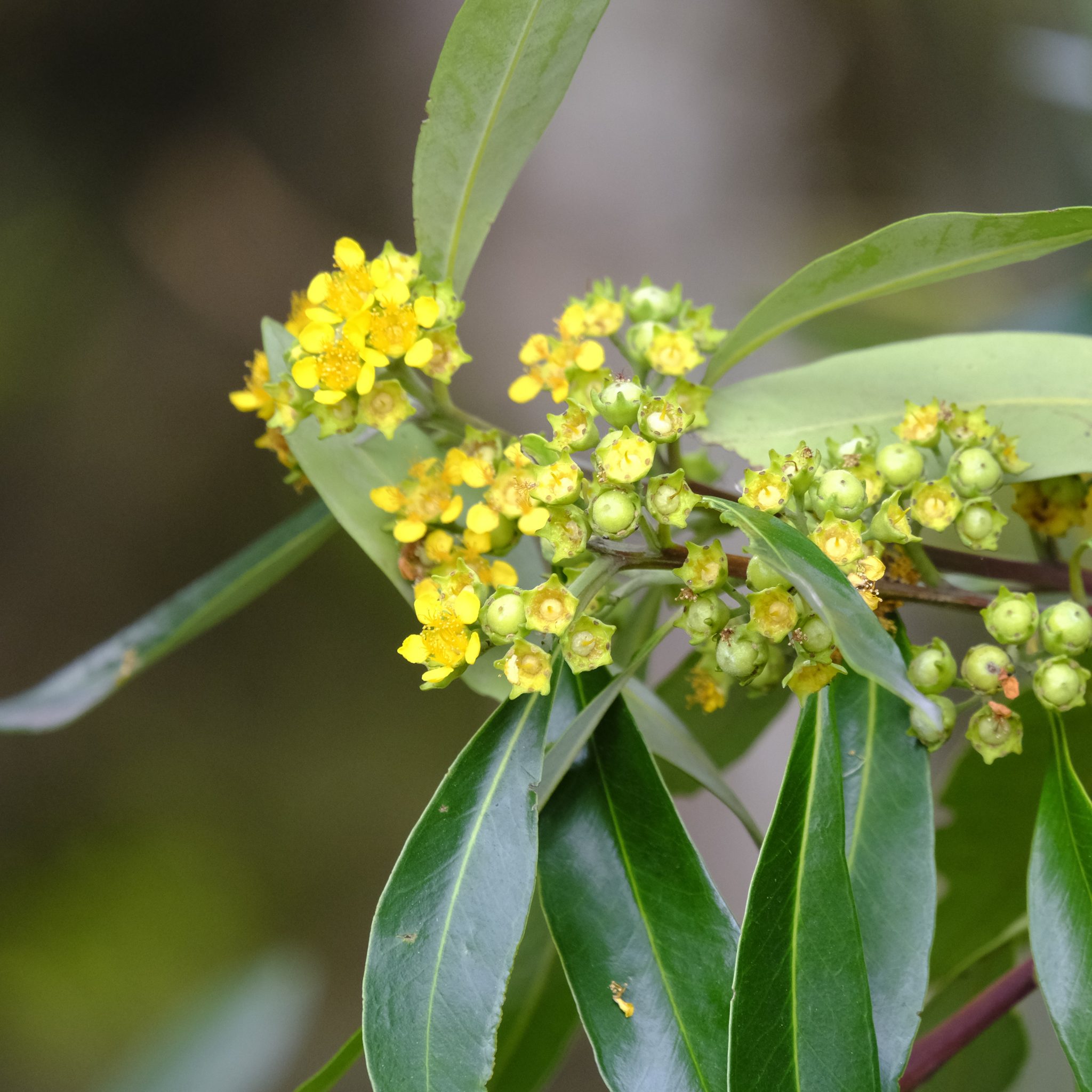
Hardy Australian native tree ideal for shade, structure and streetscapes in Melbourne gardens
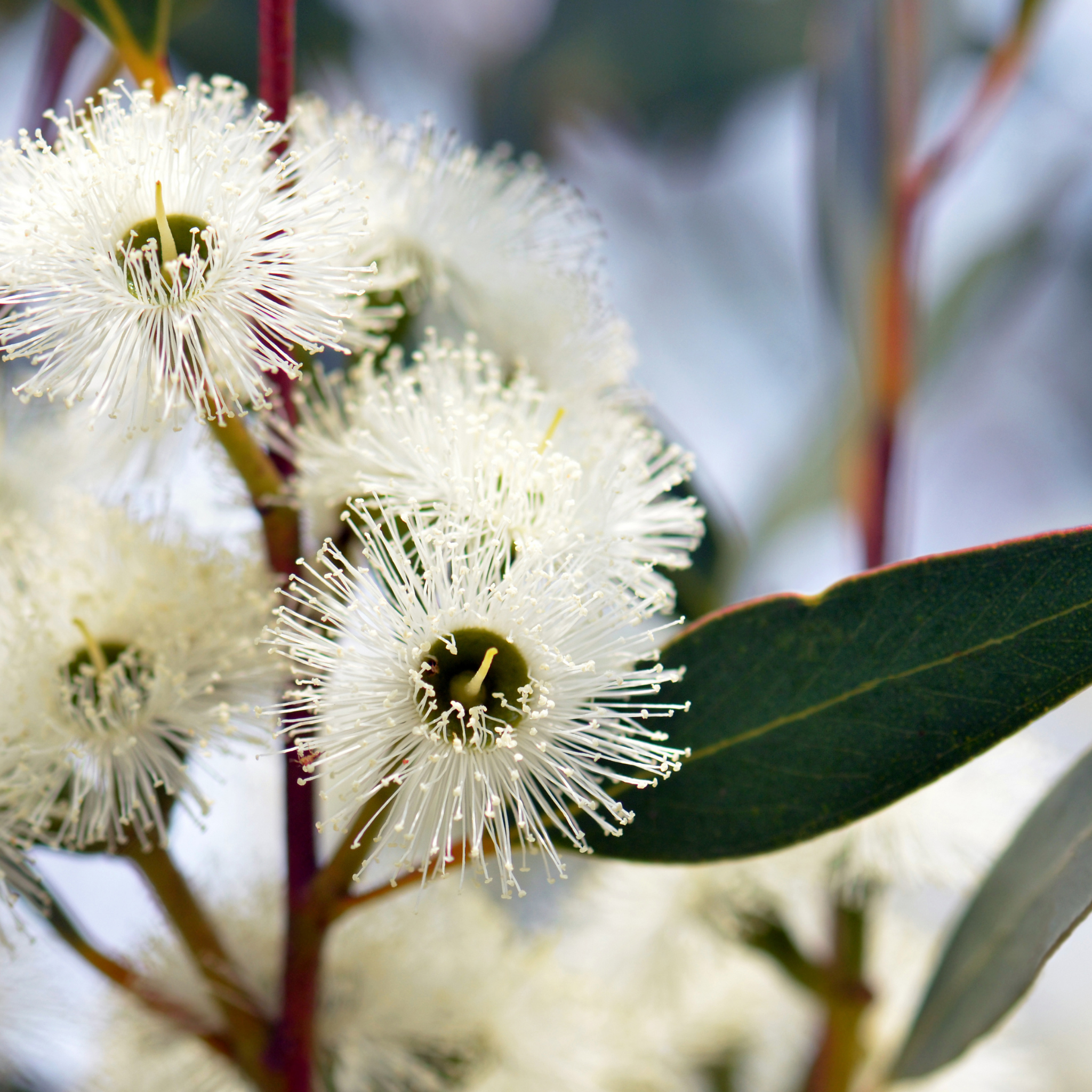

A majestic Australian native tree celebrated for its vivid orange bark, sculptural branching, and clouds of fragrant white summer blossom. A landmark tree for large gardens, coastal landscapes, and parks across Australia.
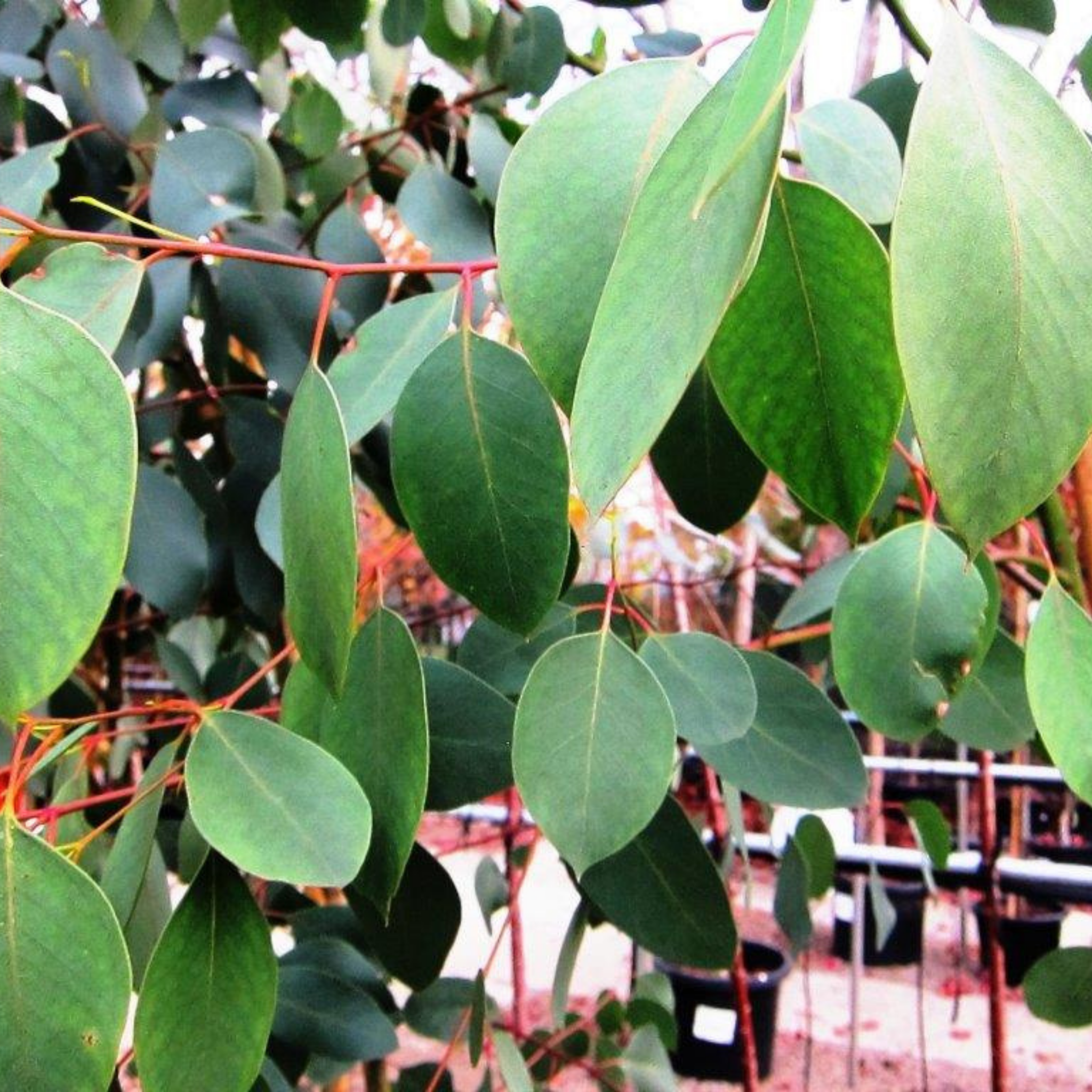
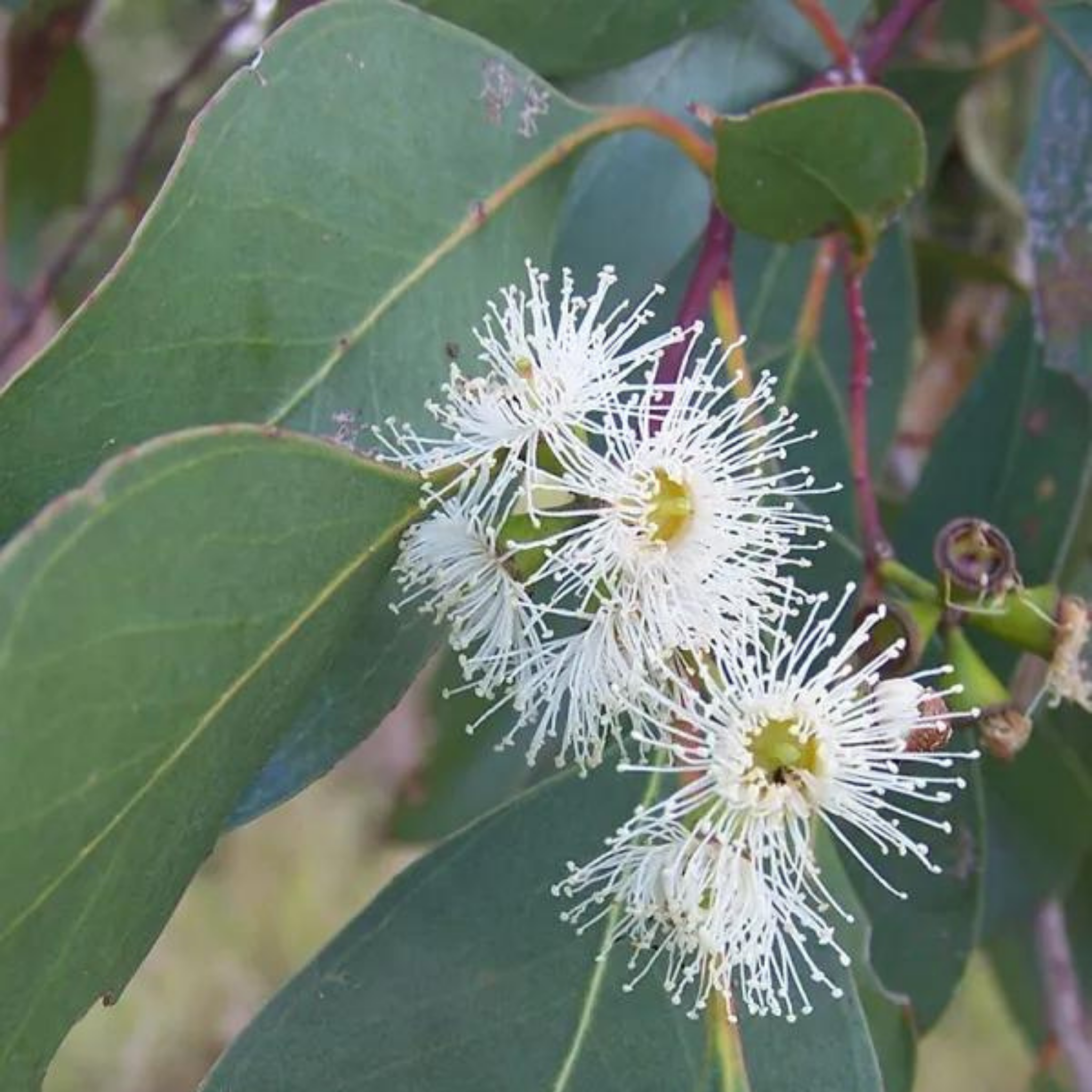
Fast growing Australian native tree thriving in heavy, wet soils with cream-white flowers through winter and spring. Ideal for parks, farms, and wetland plantings.

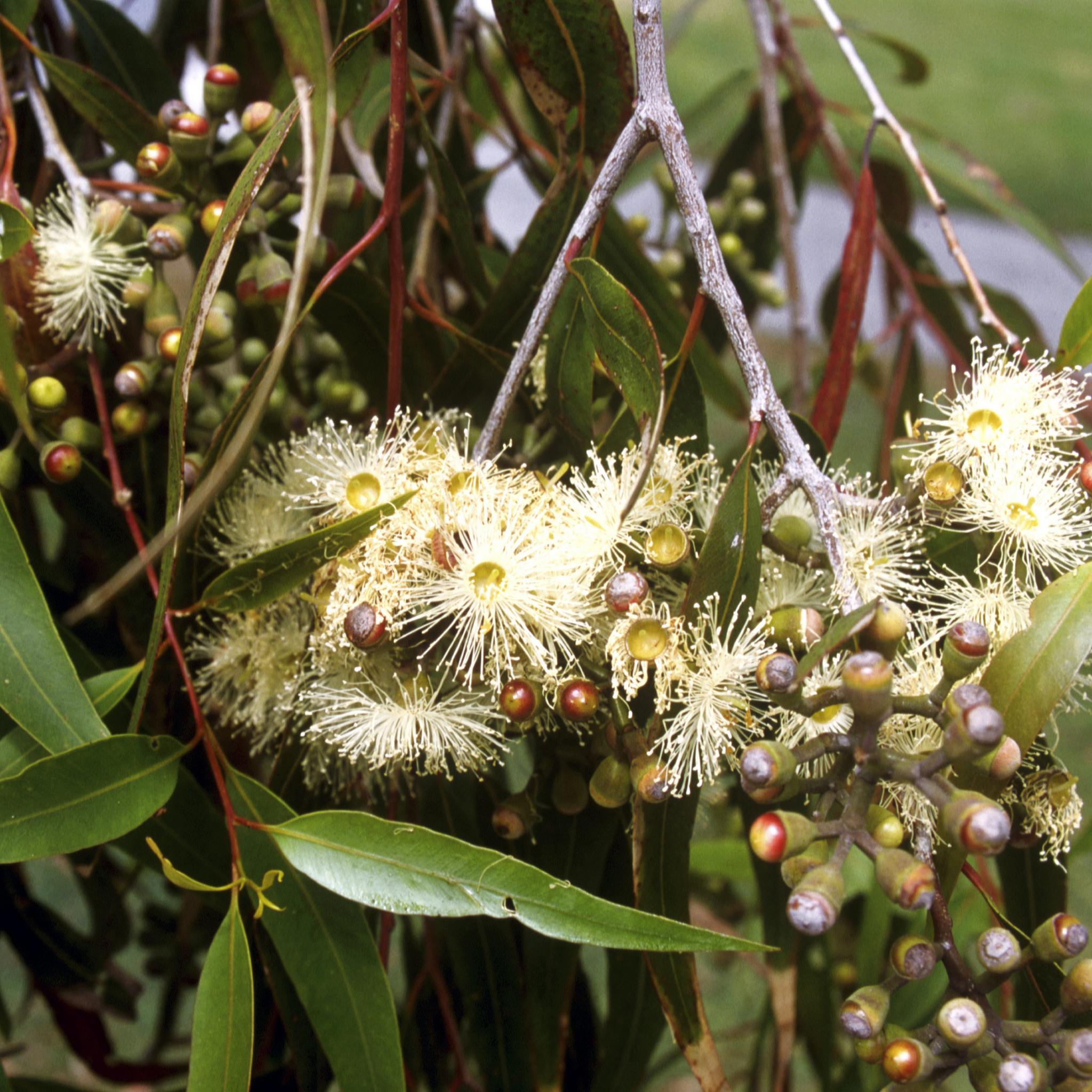
A magnificent, fast growing Australian native tree celebrated for its distinctive mottled cream and grey trunk, elegant open canopy, and outstanding drought tolerance. A landmark shade and feature tree for Melbourne gardens, parks, and avenue plantings across Australia.
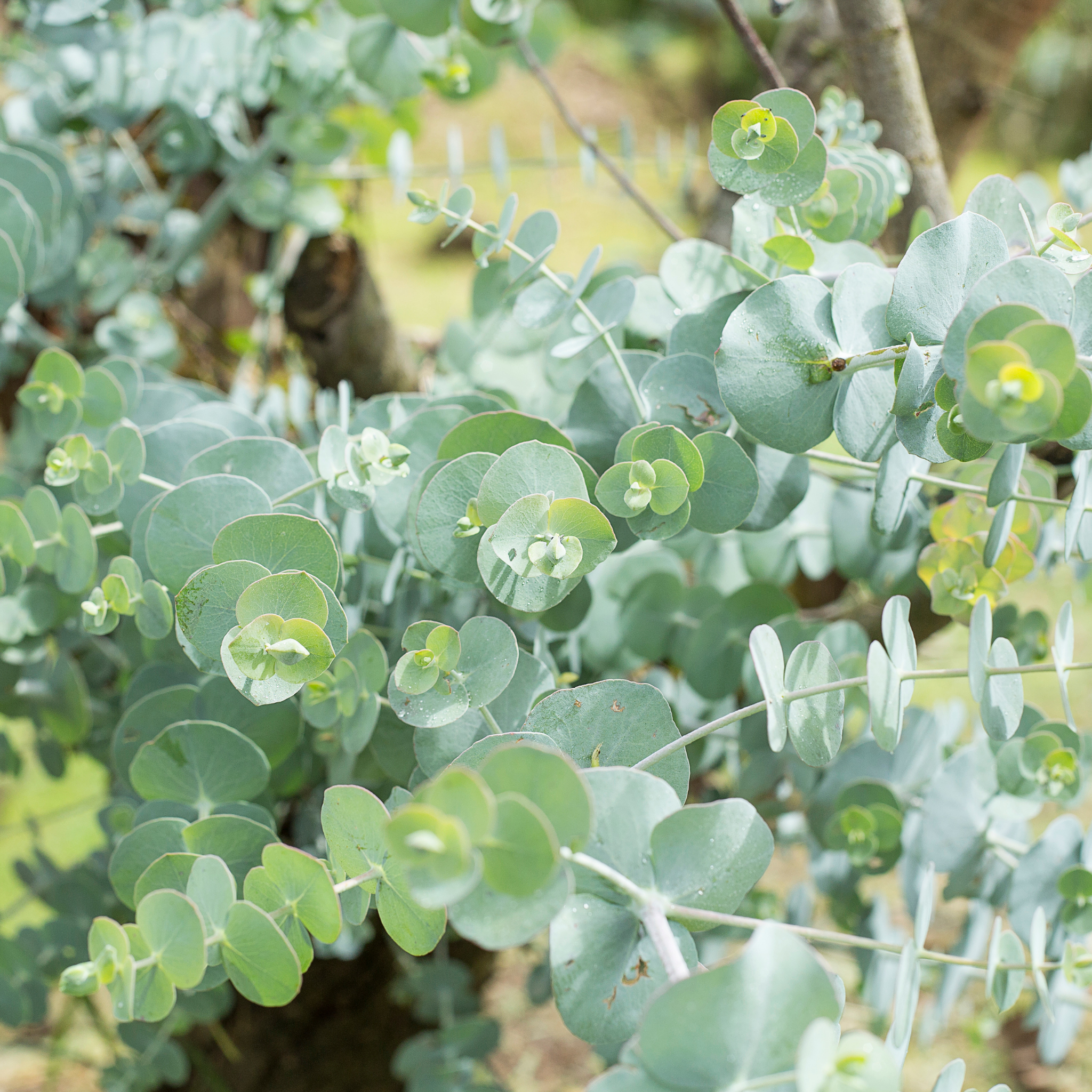
Compact Australian mallee with striking silver blue foliage, perfumed cream flowers, and ornamental gumnuts. Prized by florists and ideal for low water gardens.
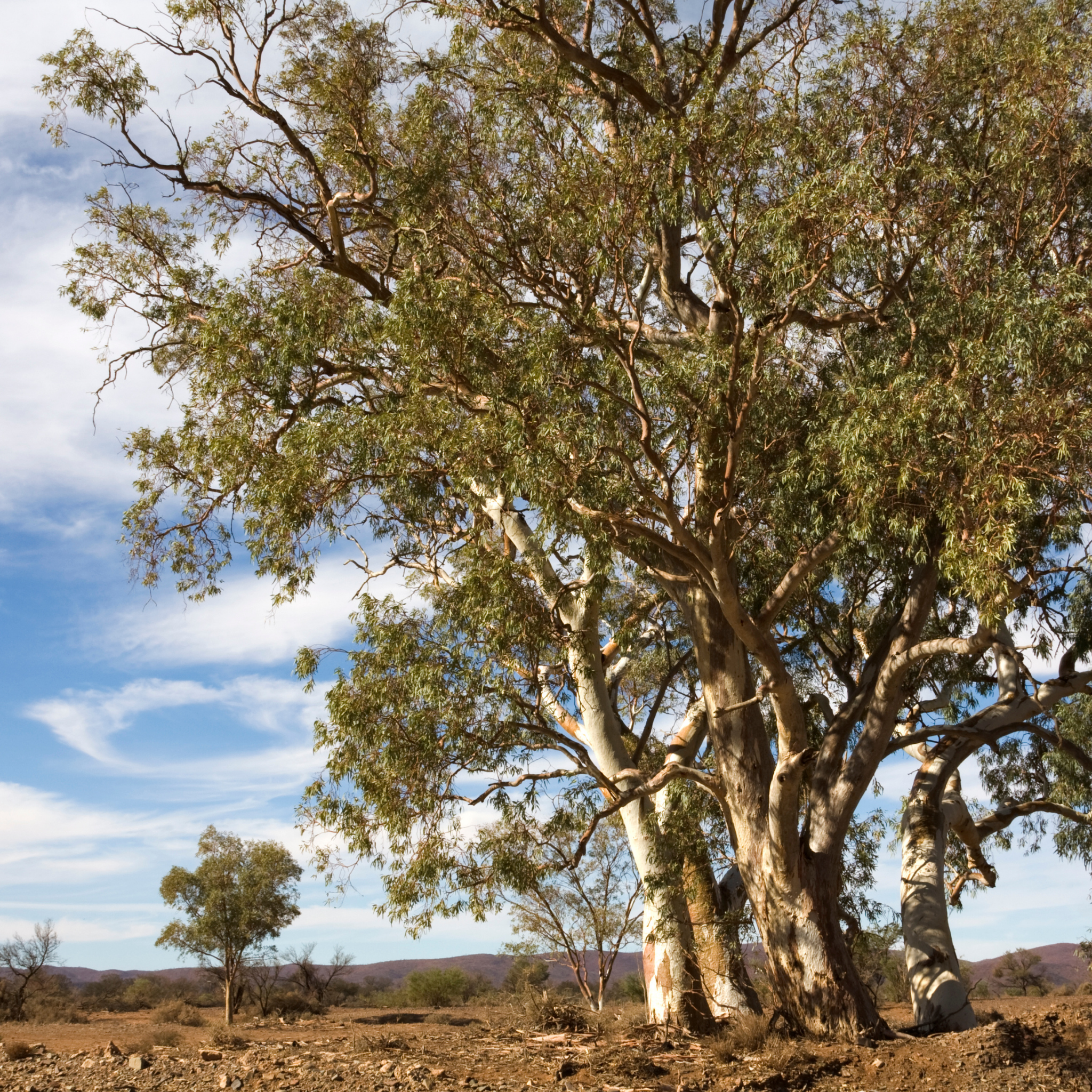
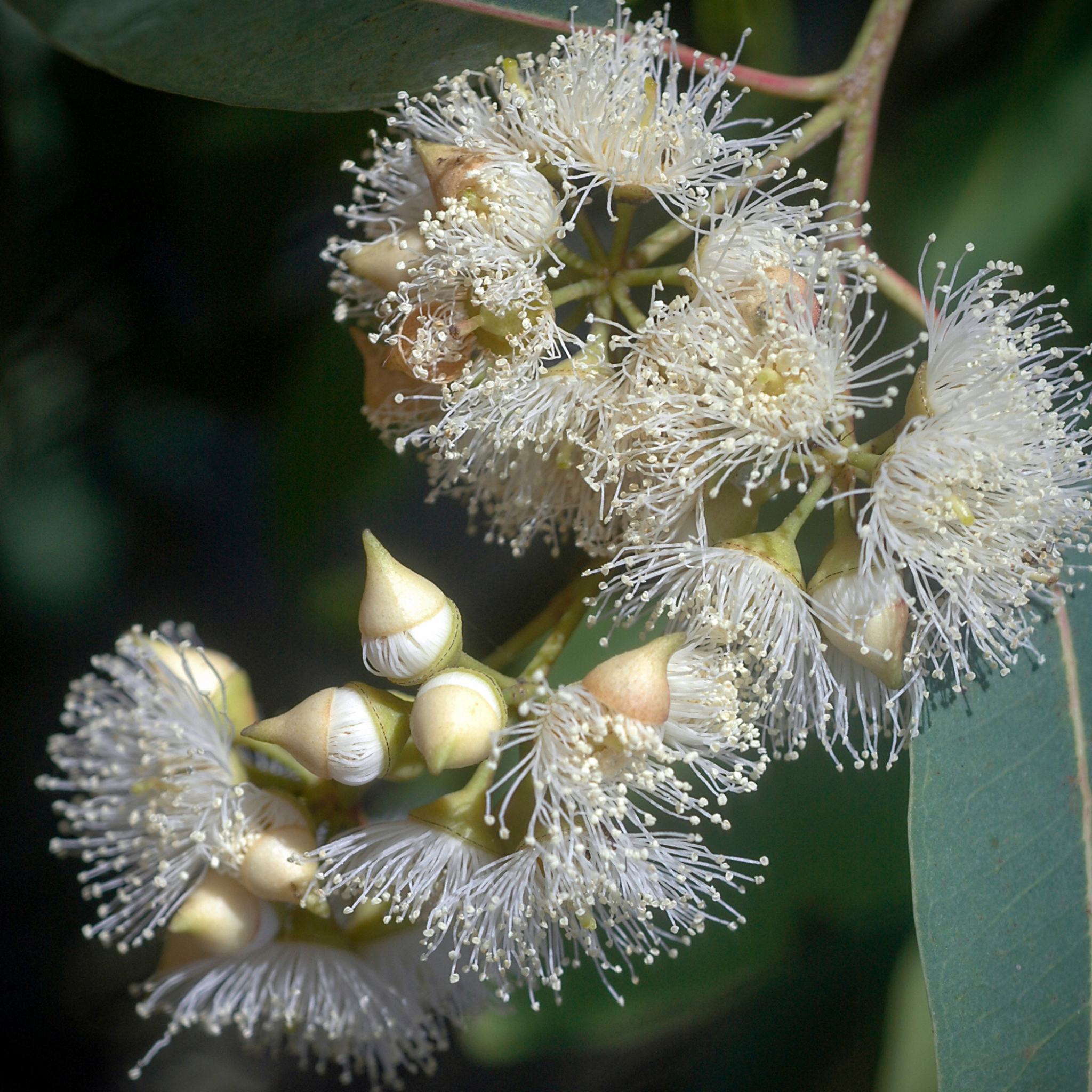
Iconic Australian native tree valued for scale, resilience, and natural landscape character.