Q: Does the foliage colour fade over time?
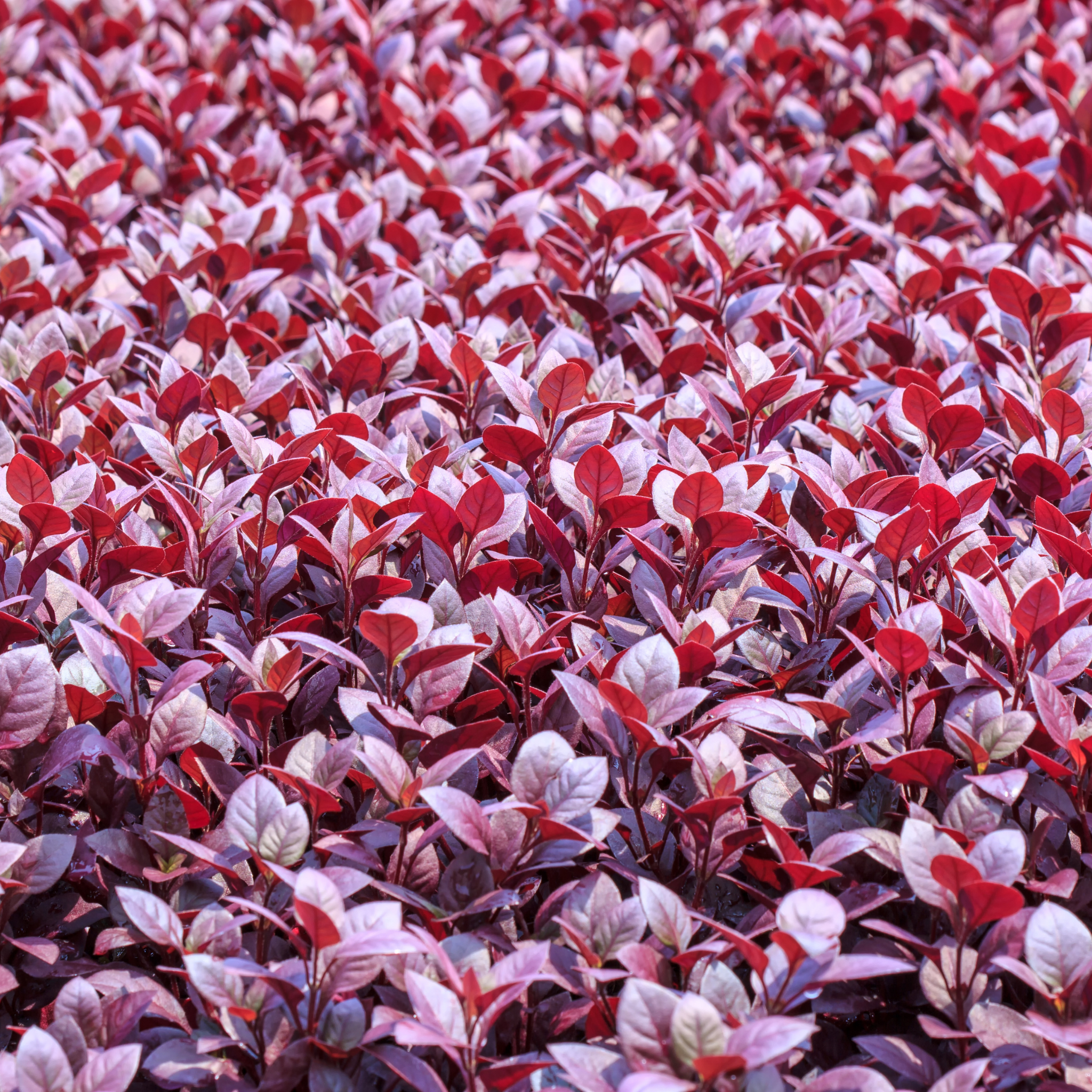
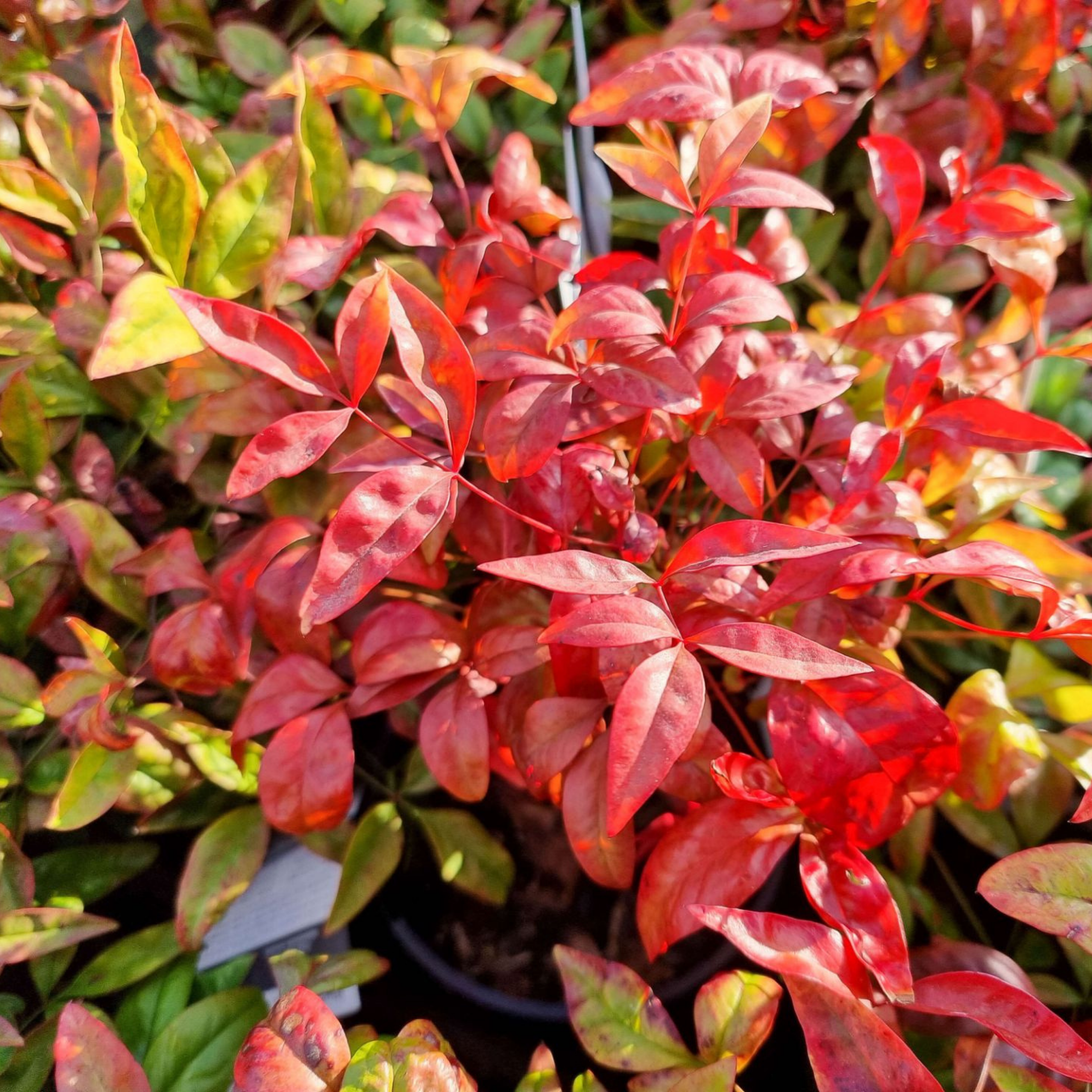
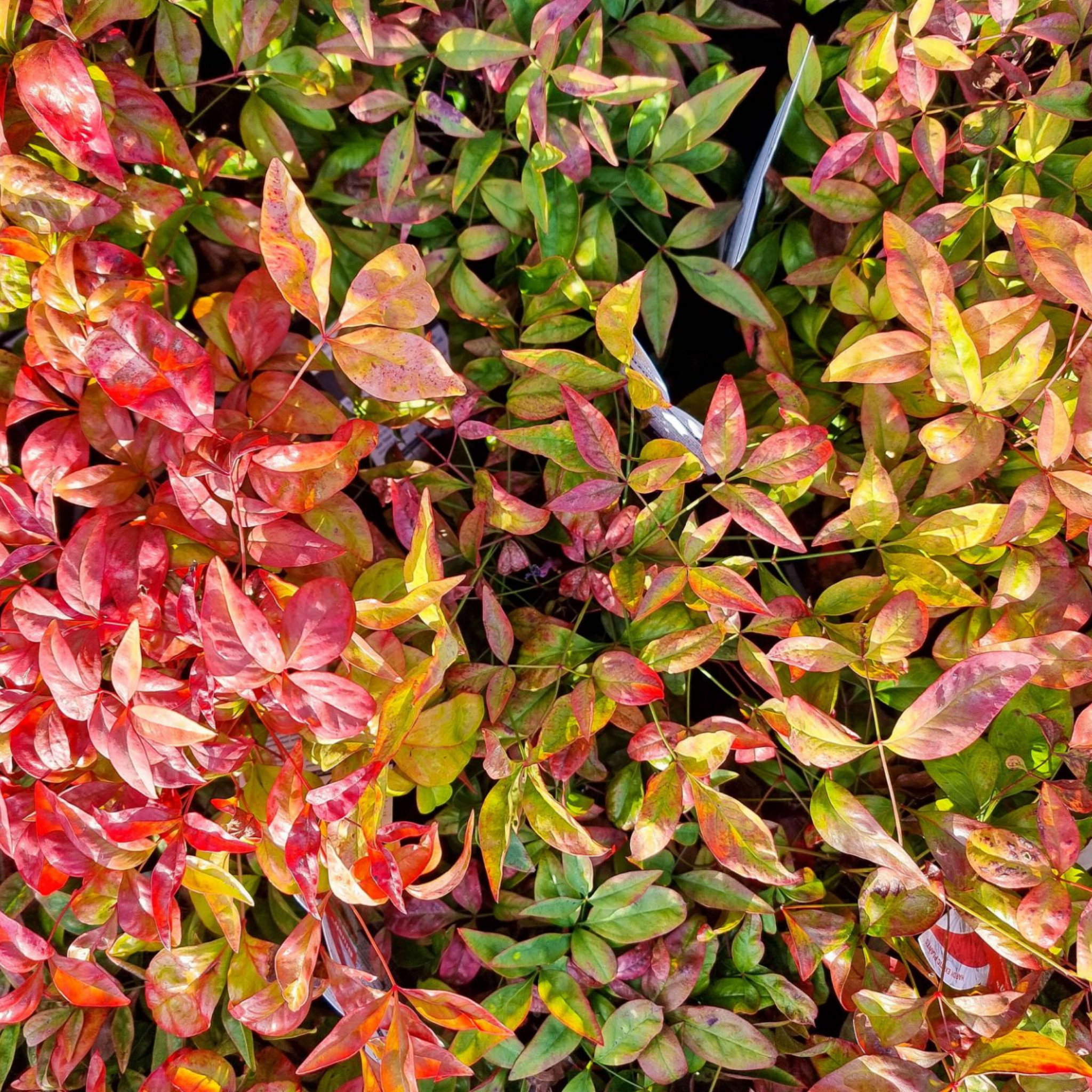
No, 'Little Maroon' holds its deep maroon to burgundy colour reliably throughout the growing season. Colour is most vivid in full sun; in shadier positions the colour may be slightly less intense but remains attractive. Avoid deep shade which causes significant colour fading.
Q: Is it frost hardy?
'Little Maroon' is frost tender and can be damaged by heavy or prolonged frost. In most Melbourne metropolitan areas it performs well through winter, but in cooler outer suburbs such as the Dandenong Ranges, Yarra Valley, or Macedon Ranges, provide some protection from heavy frost, particularly for young plants. Established plants typically recover from light frost damage with the return of warmer weather.
Q: How do I use it as a groundcover?
Plant at 30 to 40cm spacing for effective groundcover use. 'Little Maroon' spreads slowly to form a dense, weed-suppressing mat of deep maroon foliage. Mulch between plants until they fill in. Once established, the dense habit effectively suppresses most weeds and requires minimal intervention.
Q: Can I grow it in a pot?
Yes. 'Little Maroon' performs well in containers and is an excellent choice for courtyard pots, window boxes, and balcony planters. Use a quality potting mix with good drainage and water more regularly than in-ground plants. Feed with a liquid fertiliser every four to six weeks through the growing season for the best foliage colour.
Q: What plants pair well with it?
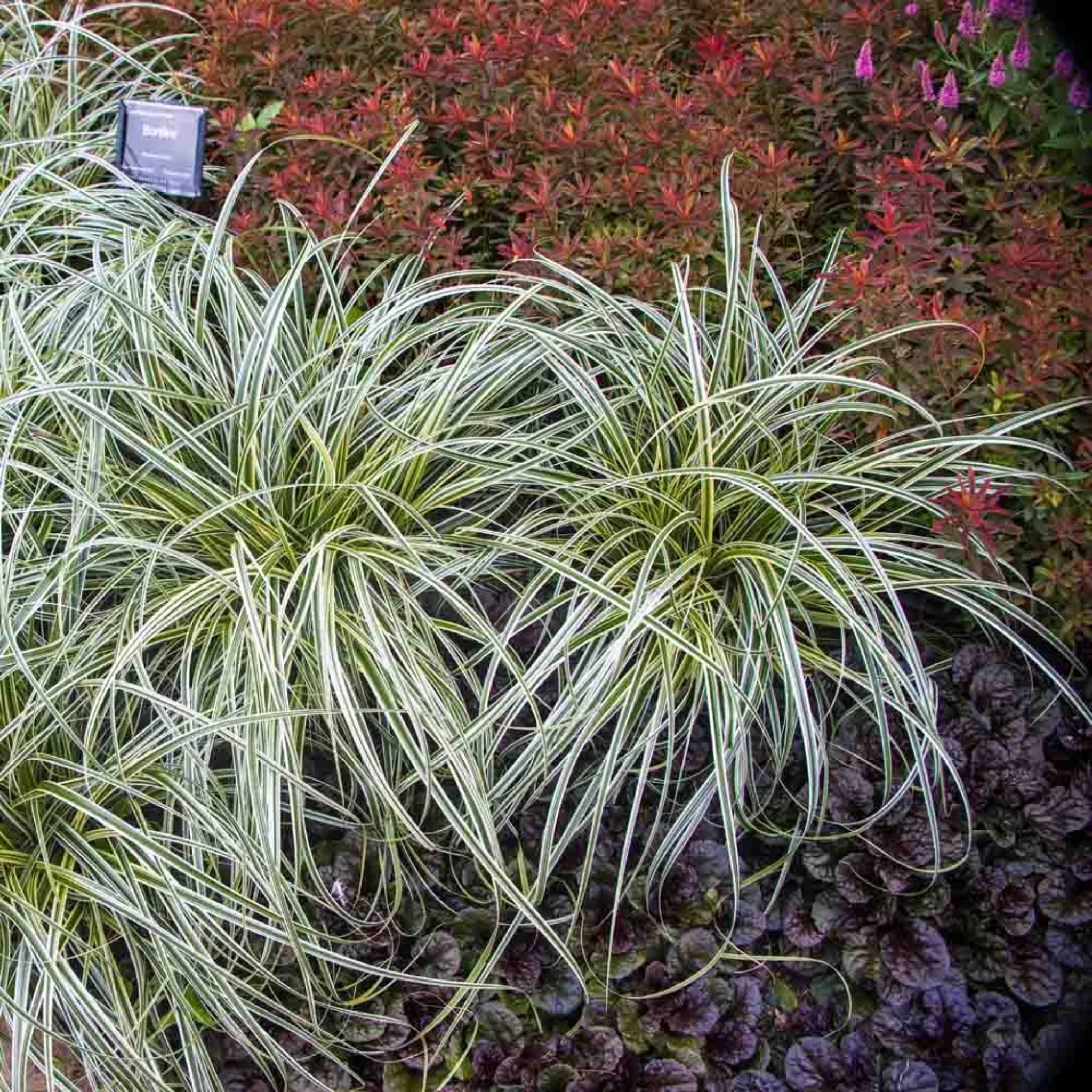
'Little Maroon' pairs beautifully with lime-green foliage plants for a complementary colour contrast, white-flowering plants for a sophisticated palette, and silver-foliaged plants such as Stachys or Artemisia for a three-tone combination. It also works well as a low edging contrast plant in front of taller green-leafed hedging such as Westringia or Buxus.