Q: Why is it called the Woolly Bush?
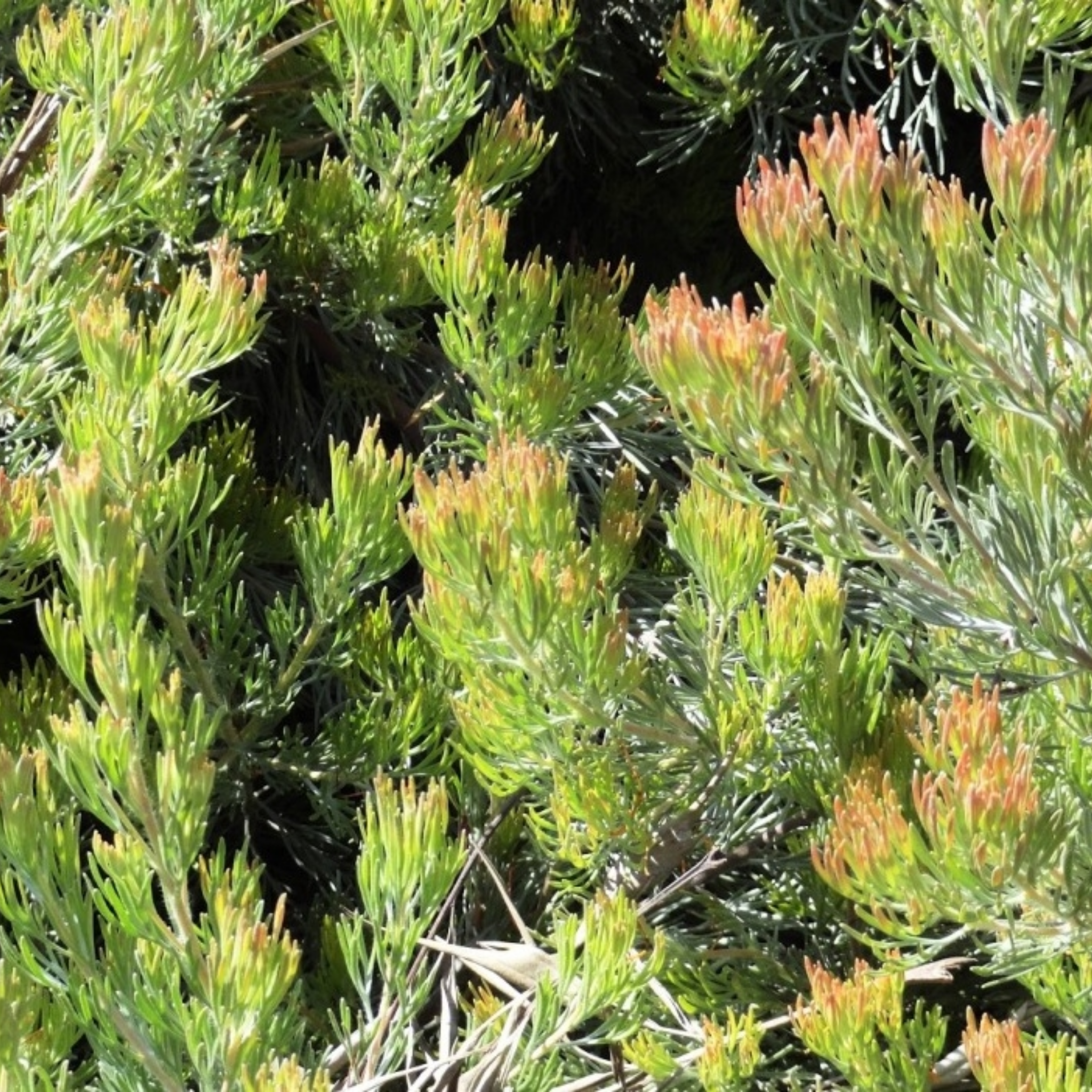
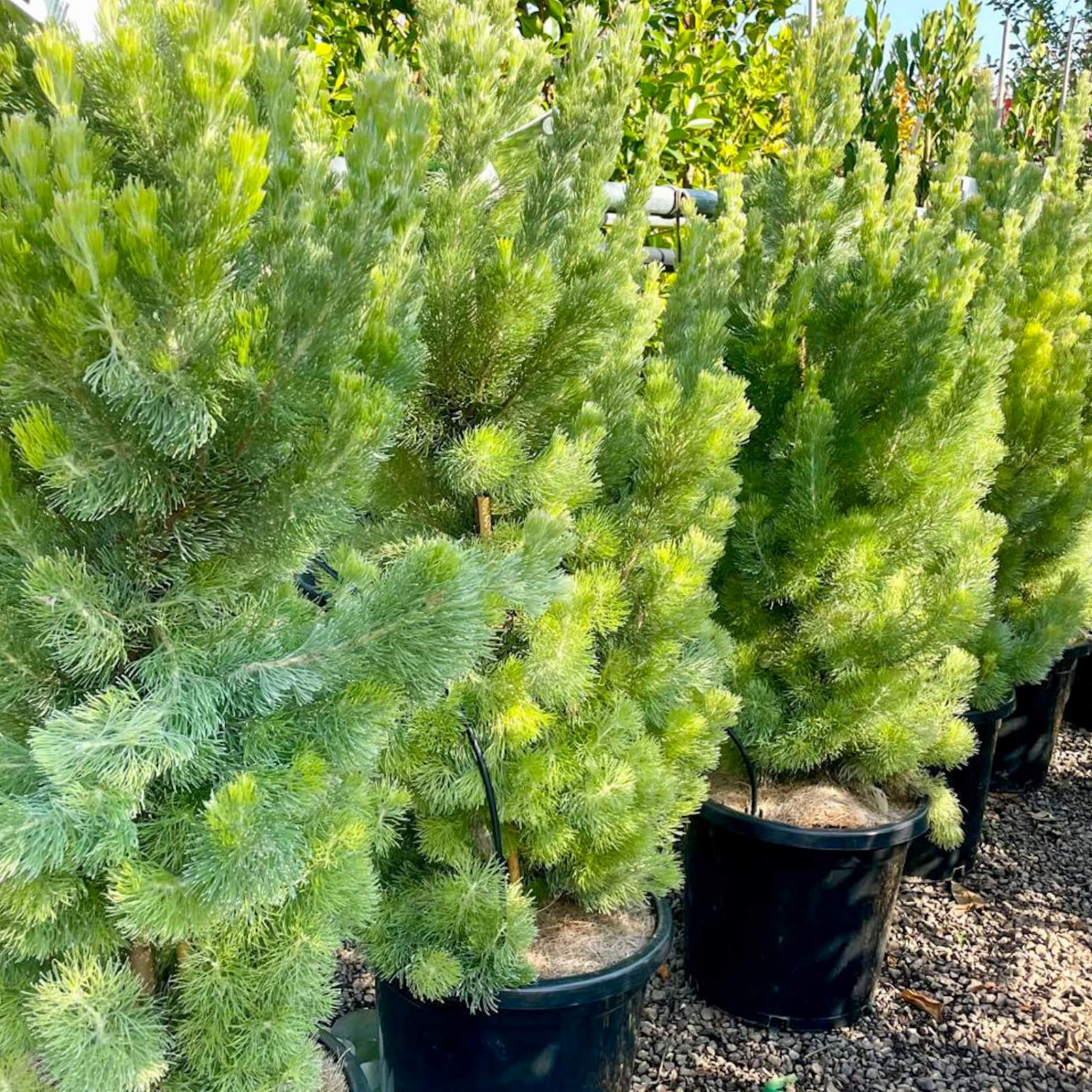
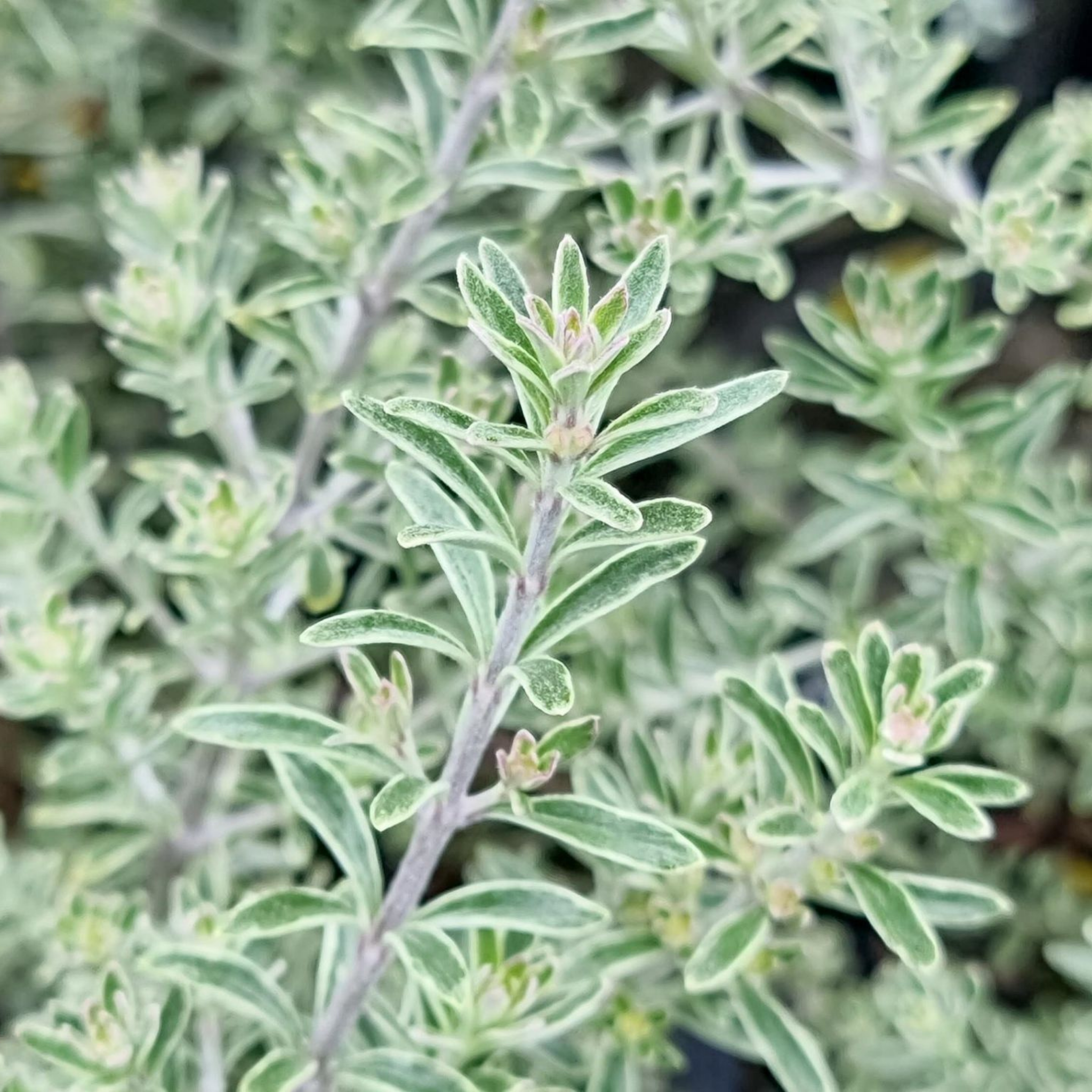
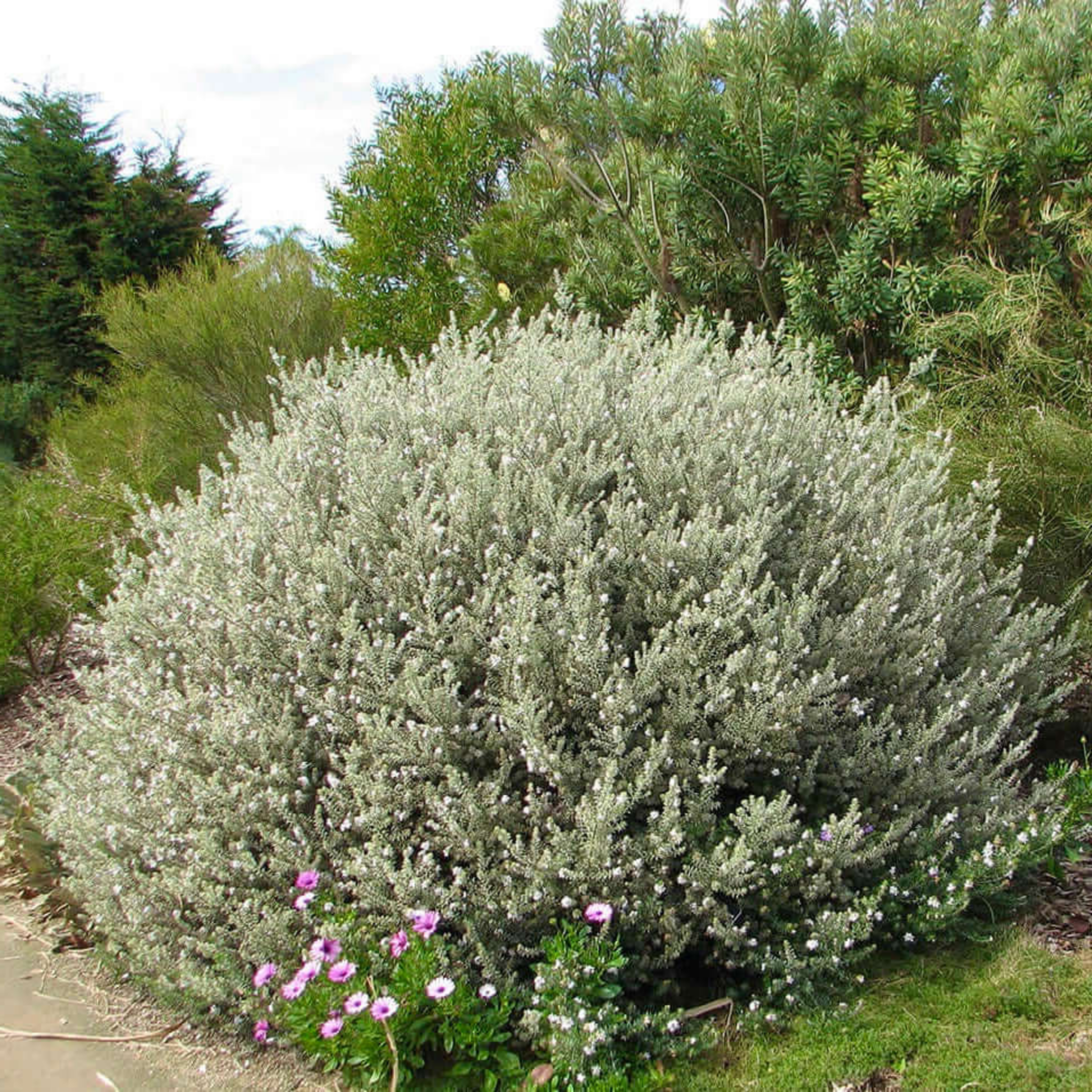
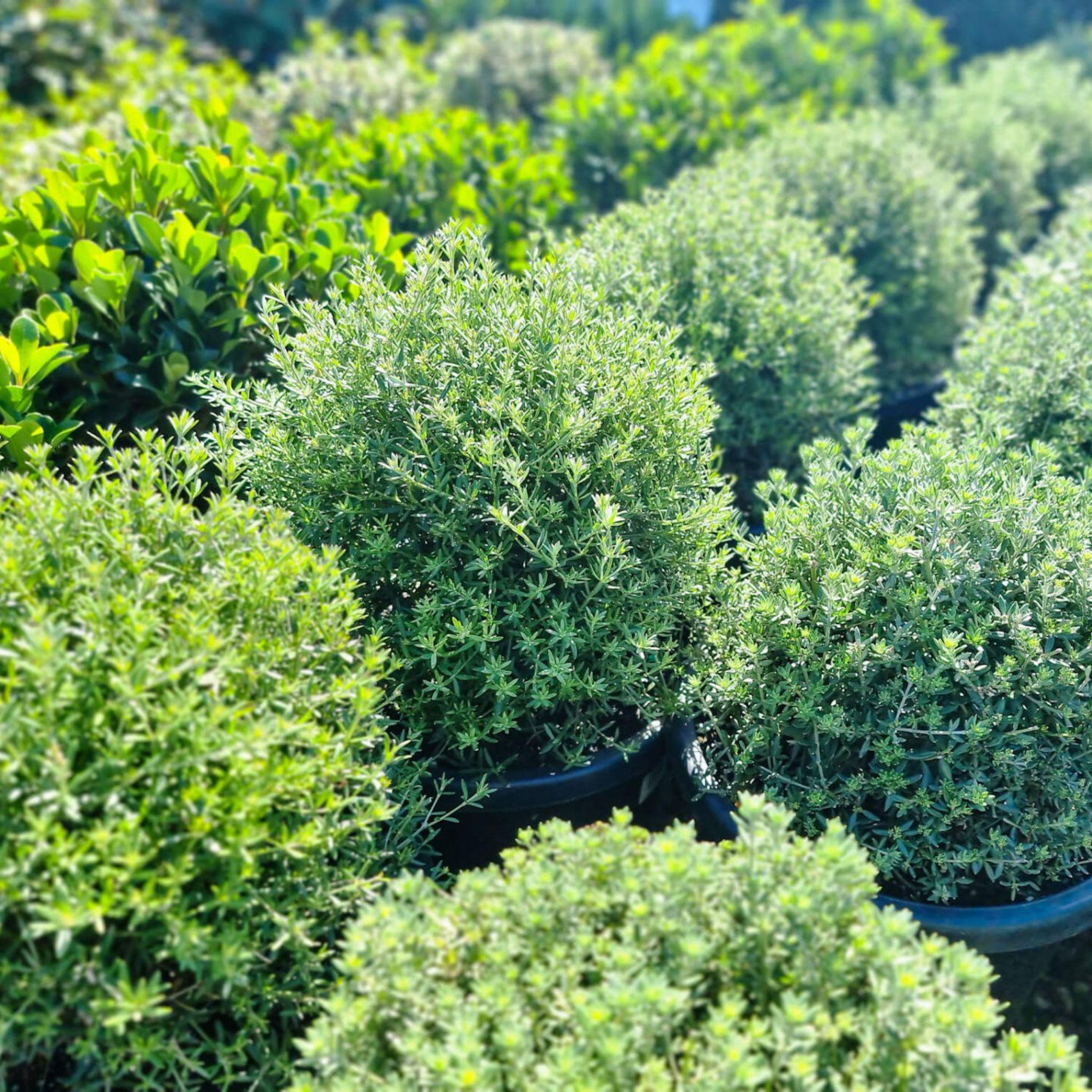
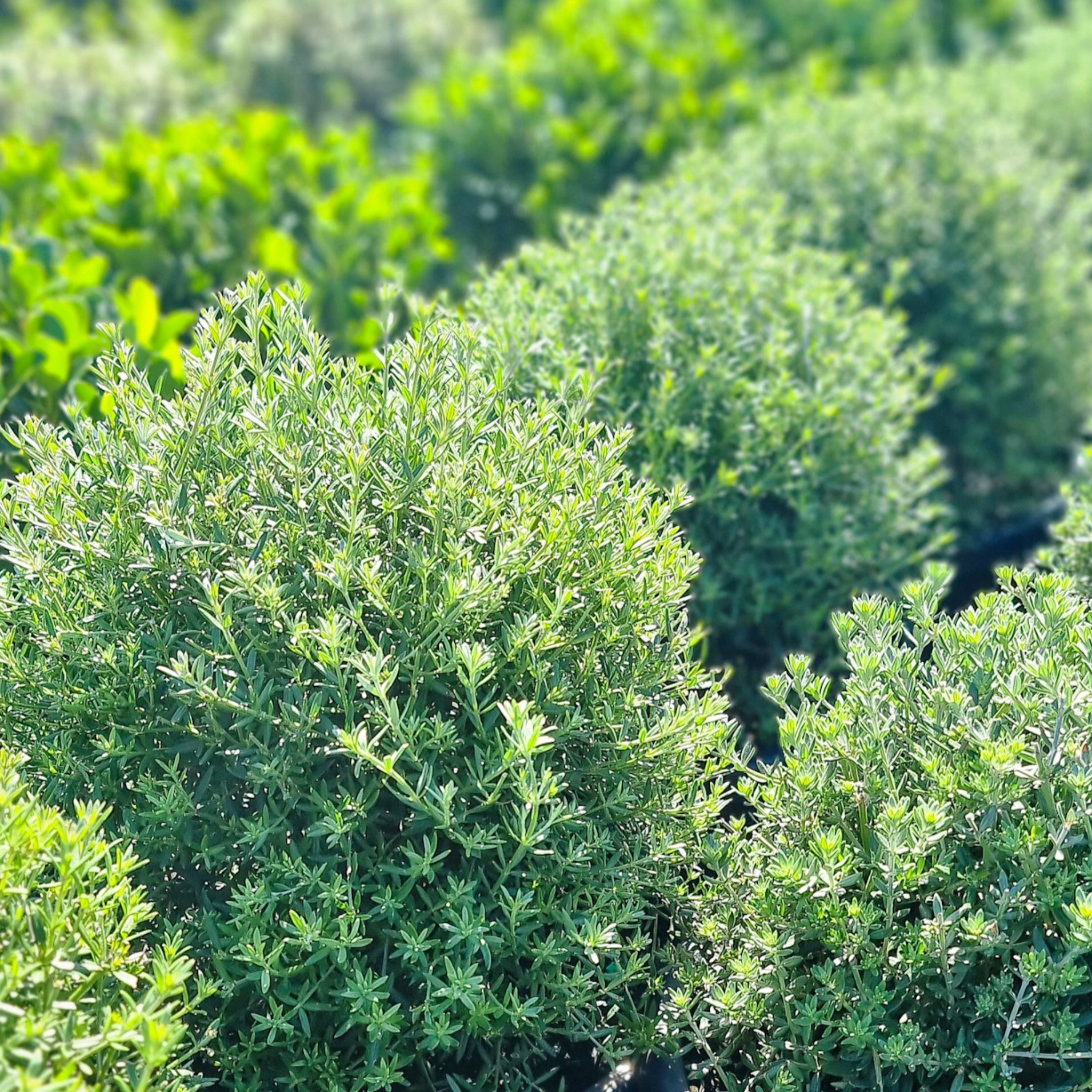
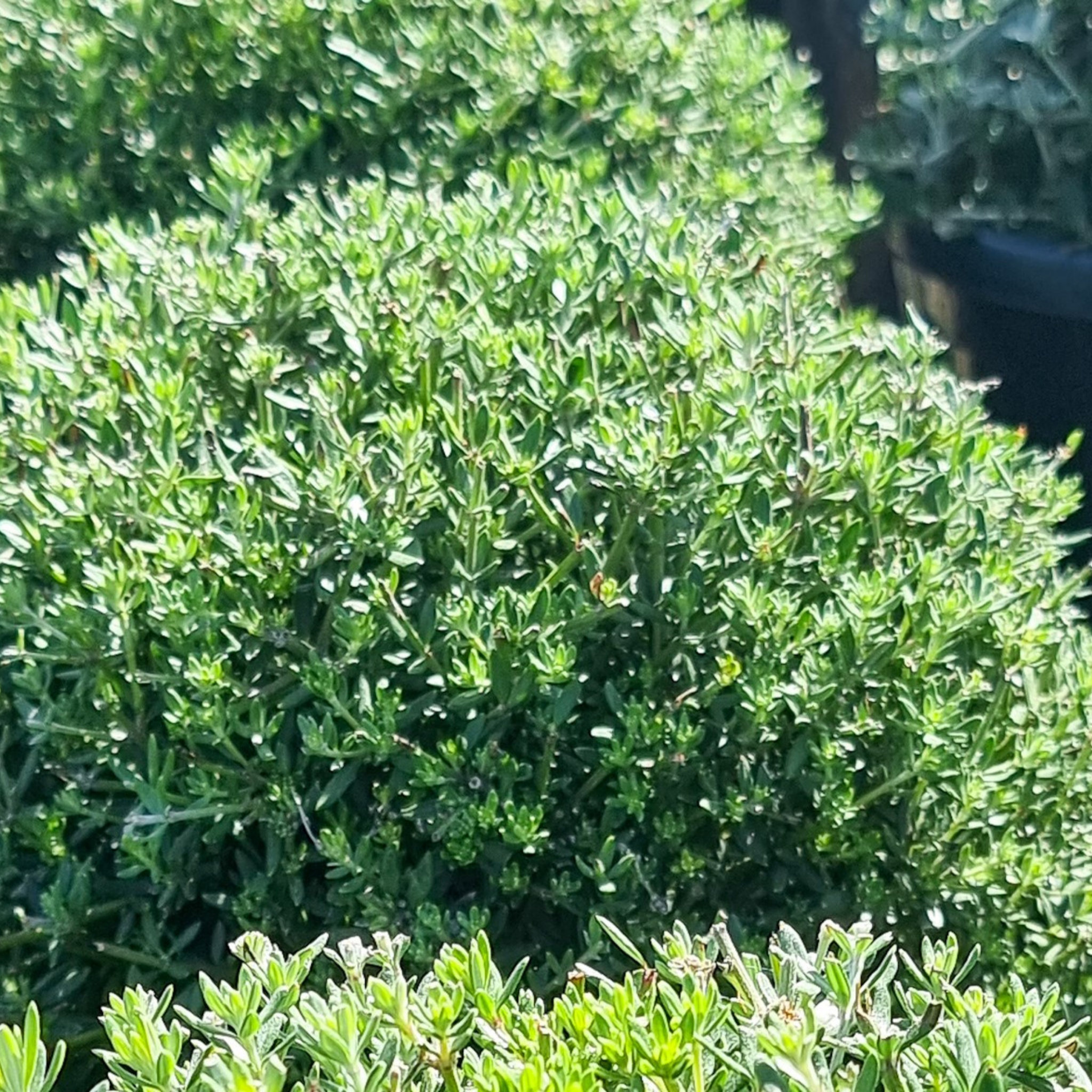
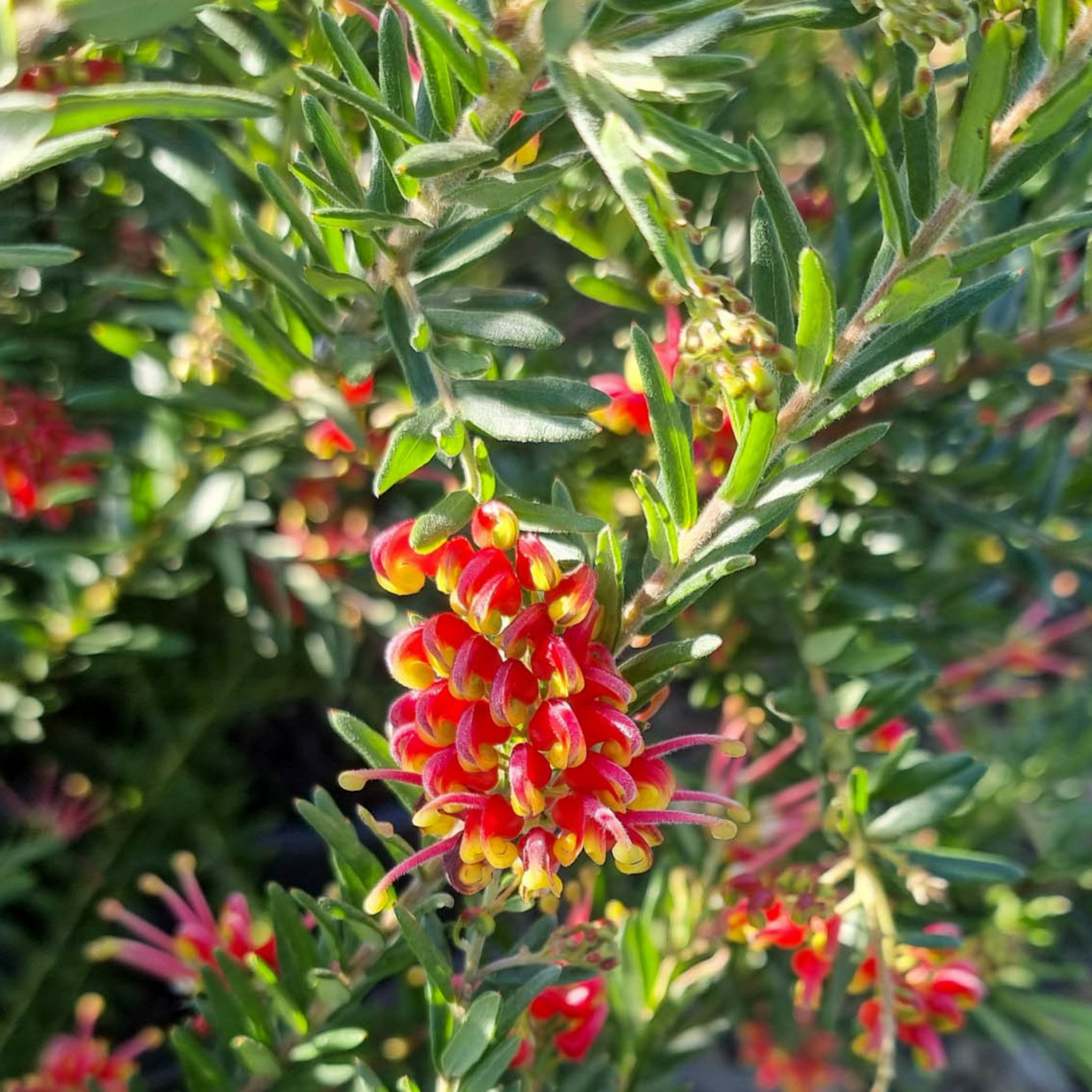
The common name refers to the soft, fine, densely packed foliage that has a distinctly woolly texture when touched. Running your hand across the foliage is one of the most tactile experiences in the native plant garden, it is genuinely soft and pleasant to touch, unlike most other native shrubs.
Q: Does it attract birds?
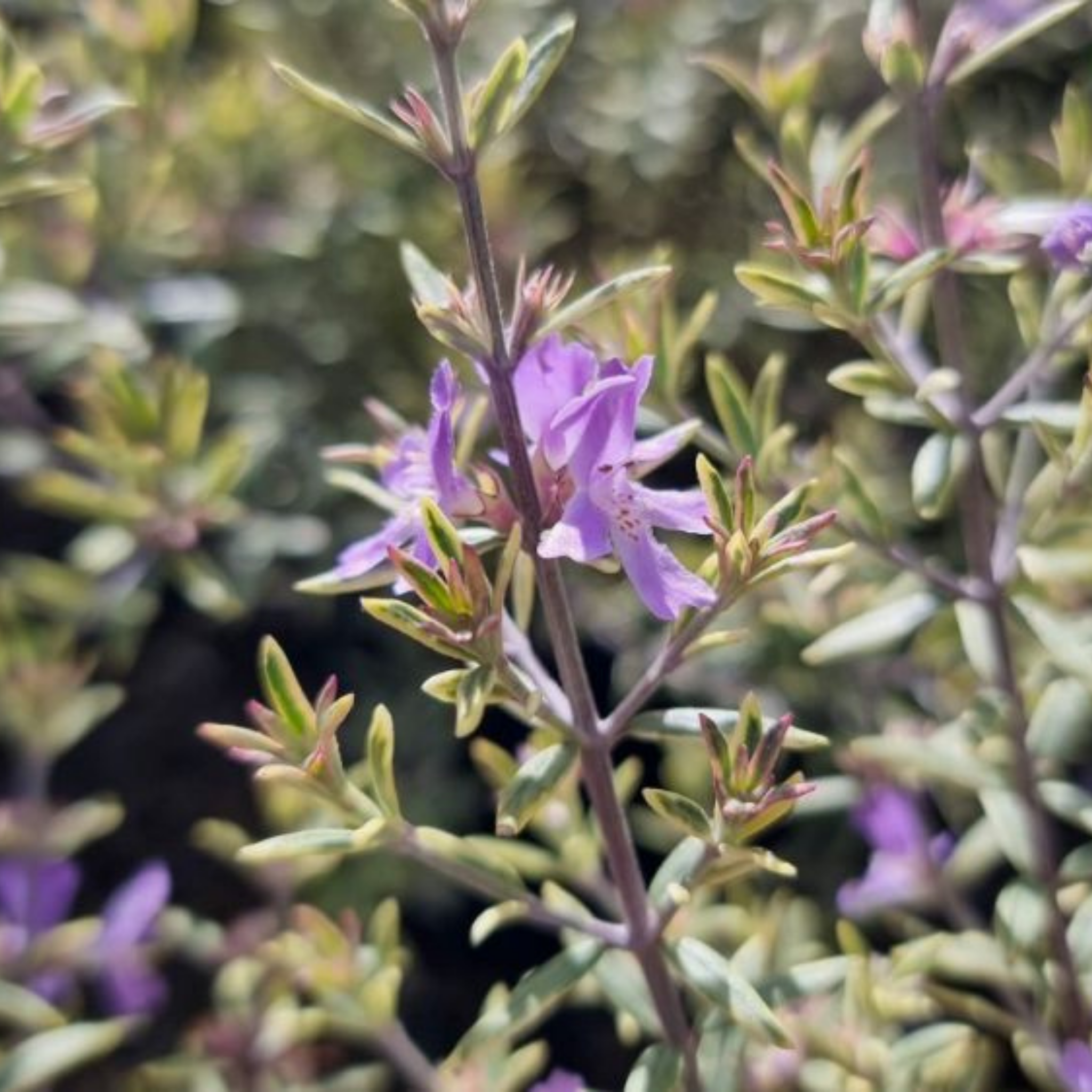
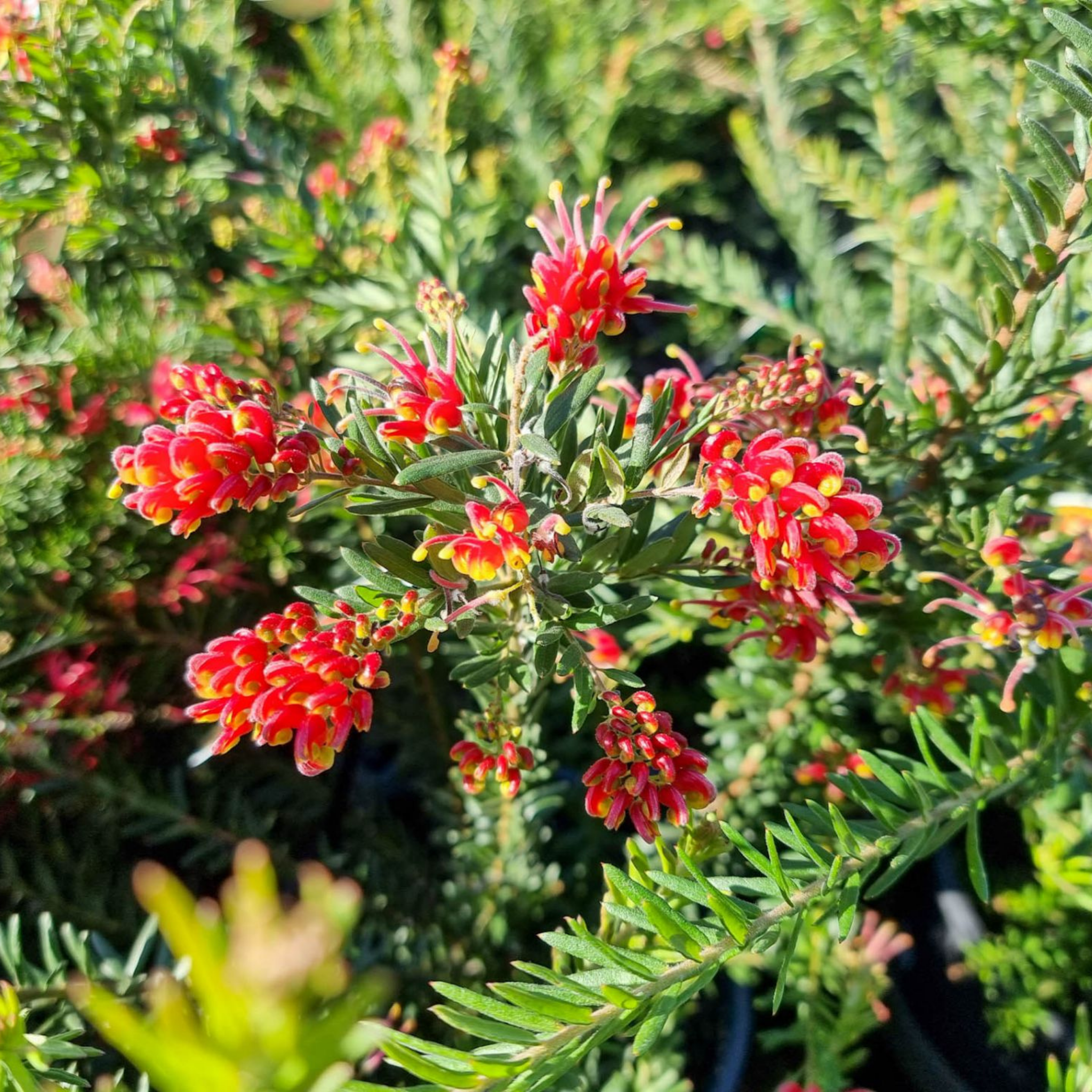
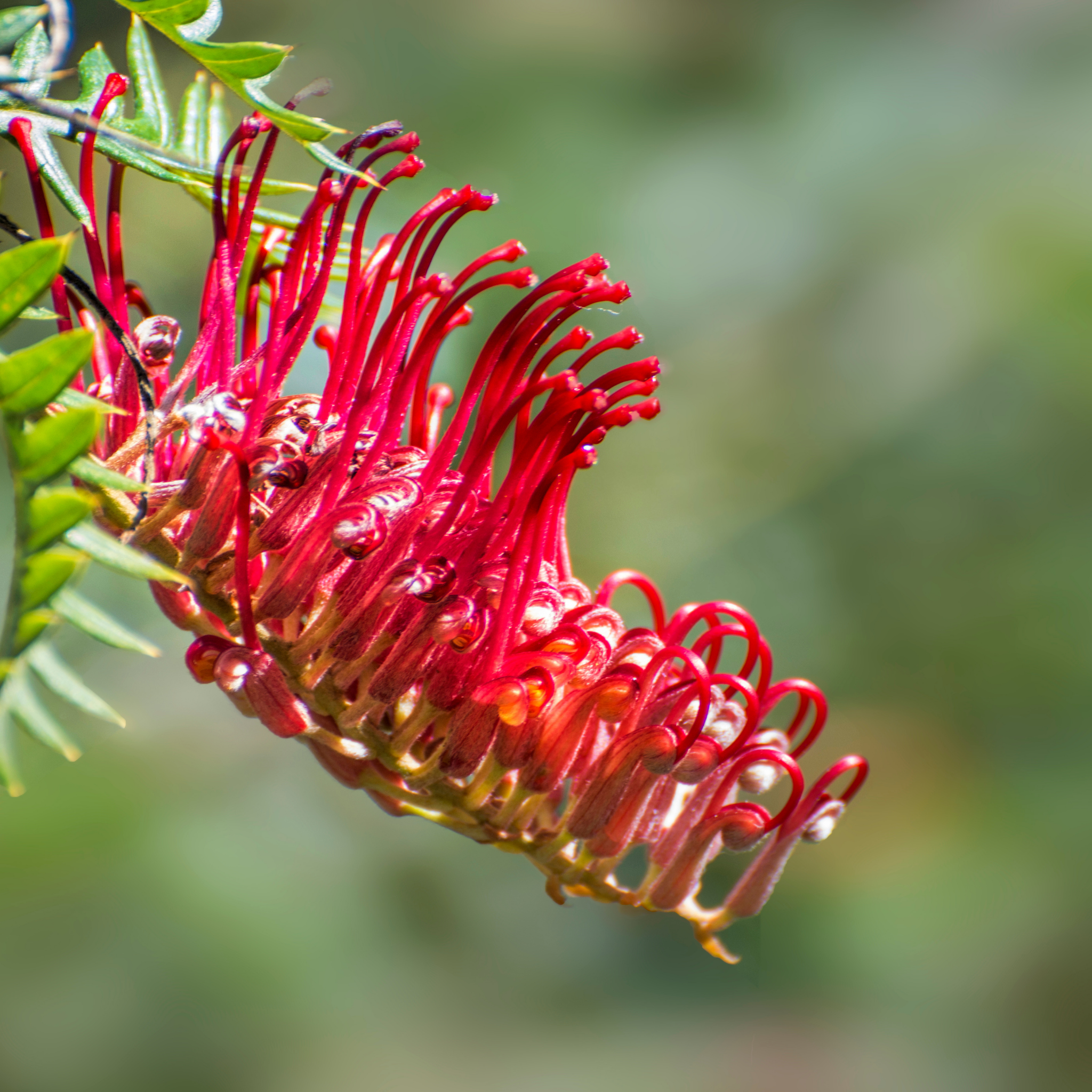
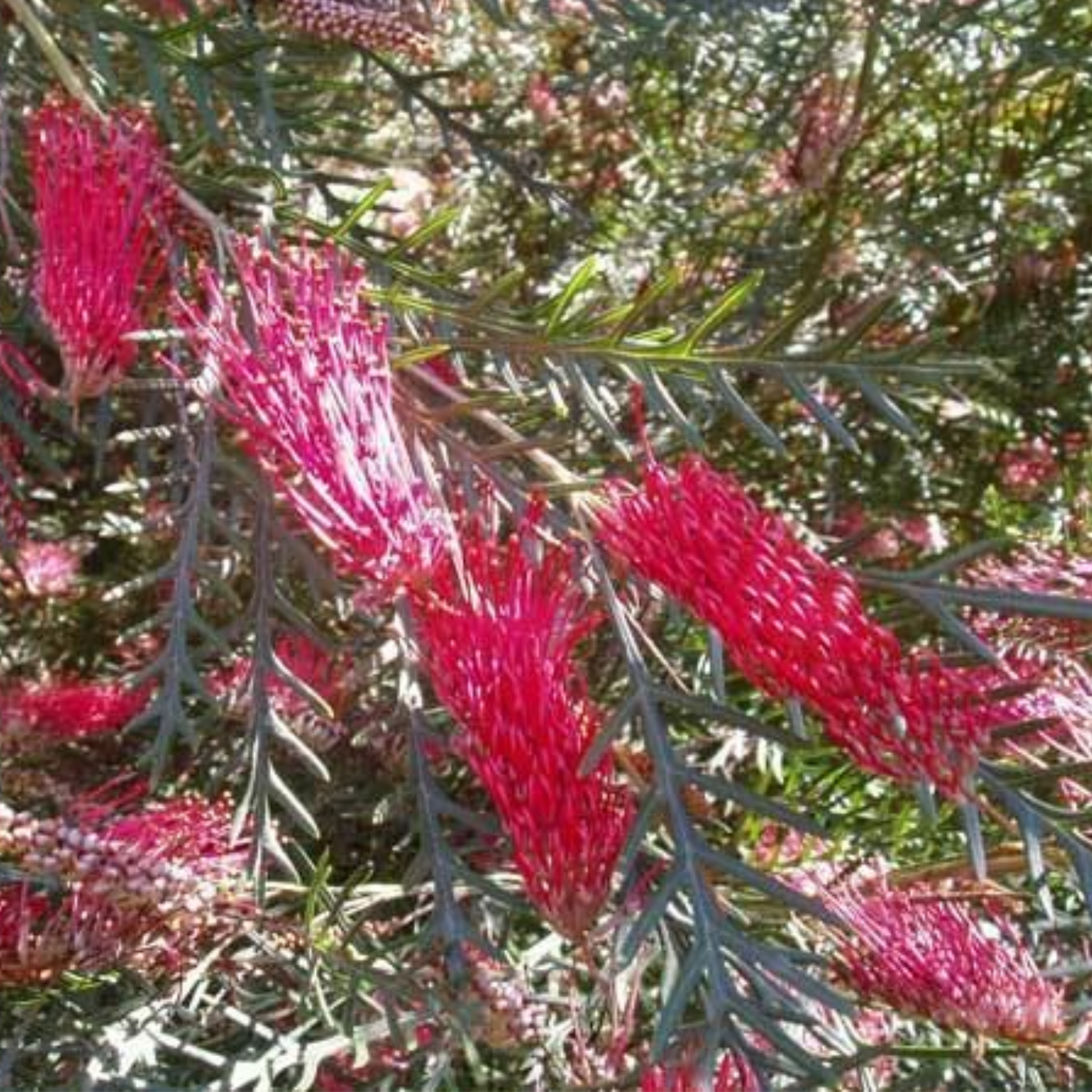
Yes, consistently and reliably. The small red tubular flowers are highly attractive to honeyeaters, lorikeets, and other nectar-feeding birds and are produced through Spring, Summer, and Autumn, providing a near year-round food source. Gardens with established Adenanthos cunninghamii typically enjoy regular bird visits throughout most of the year.
Q: Can I use the foliage for cut flowers?
Yes. The soft grey-green foliage with burgundy tips is valued as a cut foliage stem and adds a distinctive native texture and colour to floral arrangements. Harvest stems in the morning and condition in water for several hours before arranging for the best vase life.
Q: Is it suitable for a coastal garden?
Yes, it is an excellent coastal garden plant. High wind tolerance, adaptability to sandy soils, and tolerance of salt-laden air make Adenanthos cunninghamii one of the better native shrubs for exposed Melbourne bayside and coastal gardens.
Q: Can I use regular fertiliser?
No. As a member of the Proteaceae family, Adenanthos cunninghamii is extremely sensitive to phosphorus. Always use a fertiliser specifically formulated for Proteaceae or Australian natives with low phosphorus content. Standard fertilisers, blood and bone, and superphosphate can kill the plant.